Why I Reversed My Aging Clock with Simple Rehab Moves
Have you ever felt your body aging faster than your mind? I did—until I discovered how targeted rehabilitation training reshapes not just mobility, but overall vitality. This isn’t about extreme workouts or magic pills. It’s science-backed, gentle movement that rebuilds strength, balance, and flexibility. I started seeing changes in weeks. Now, I’ll break down exactly how rehab-based anti-aging works and why it might be the most effective anti-aging tool you’re overlooking. What if the secret to feeling younger wasn’t in a bottle or a boutique fitness class, but in the way you move every day? The truth is, aging doesn’t have to mean stiffness, weakness, or losing independence. With the right kind of movement, your body can regain resilience, energy, and control—no matter your age.
The Hidden Truth About Aging: It’s Not Just Time
Aging is often seen as an unavoidable decline—a slow surrender to stiffness, fatigue, and shrinking mobility. But science now shows that chronological age, the number of years you’ve lived, doesn’t fully reflect how well your body functions. Instead, your functional age—how your muscles, joints, and nervous system perform—can be years younger or older than your actual age. Many people in their 40s and 50s begin to experience significant physical decline, not because of time, but because of lifestyle patterns that accelerate biological aging. Muscle mass naturally begins to decrease around age 30, a process called sarcopenia, and without intervention, adults can lose up to 3–8% of muscle mass per decade. This loss affects metabolism, balance, and the ability to perform everyday tasks like carrying groceries or climbing stairs.
Joint stiffness, reduced flexibility, and slower recovery from daily strain are not inevitable signs of getting older—they are often the result of inactivity and poor movement habits. Research from the National Institute on Aging shows that sedentary behavior is a major driver of accelerated aging at the cellular level, including shortened telomeres, which are protective caps on chromosomes linked to longevity. The good news is that this decline is not one-way. Studies in rehabilitation science confirm that targeted, low-impact movement can slow, halt, and even reverse many of these markers. By engaging in consistent rehab-based exercises, individuals have demonstrated improved muscle strength, joint range of motion, and cardiovascular efficiency—key indicators of a younger functional age.
What this means is powerful: you are not powerless against aging. The body responds to stimulus at any stage of life. Whether you’re 35 or 65, the way you move—or don’t move—plays a decisive role in how you age. Rehabilitation training is not about fighting time; it’s about working with your body’s natural ability to adapt and repair. When you prioritize movement that restores function, you’re not just maintaining health—you’re upgrading it. This shift in mindset—from passive acceptance to active participation—forms the foundation of a truly age-defying lifestyle.
Rehab Training: More Than Injury Recovery
Rehabilitation training is often misunderstood as something only for people recovering from surgery or injury. In reality, it is a proactive, preventive approach to long-term health. At its core, rehab training involves controlled, intentional movements designed to improve neuromuscular control—the communication between your brain and muscles. Unlike high-intensity workouts that focus on burning calories or building bulk, rehab training prioritizes precision, alignment, and joint stability. It’s not about how fast you move, but how well you move. This form of exercise strengthens the small stabilizing muscles often neglected in traditional fitness routines, such as those around the shoulders, hips, and spine, which are essential for maintaining posture and preventing pain.
One of the most significant benefits of rehab training is its impact on joint health. As we age, cartilage can wear down, and synovial fluid—which lubricates joints—decreases, leading to stiffness and discomfort. Rehab exercises stimulate circulation to these areas, delivering nutrients and oxygen that support tissue repair. For example, gentle joint mobilizations, like shoulder circles or ankle rolls, can increase range of motion and reduce the risk of degenerative conditions like osteoarthritis. These movements also enhance proprioception, your body’s awareness of its position in space, which is crucial for balance and coordination.
Another key difference between rehab training and conventional fitness is accessibility. Because the movements are low-impact and progressive, they are safe for nearly all fitness levels, including those with chronic conditions like arthritis, osteoporosis, or past injuries. A person who has never exercised before can start with seated movements or wall-supported exercises and gradually build strength and confidence. This inclusivity makes rehab training a sustainable lifelong practice. It’s not a short-term fix but a long-term investment in mobility and independence. By focusing on function rather than aesthetics, rehab training helps people move through daily life with greater ease—whether it’s bending to tie a shoe, reaching for a high shelf, or playing with grandchildren without fear of strain.
Why Rehab Training Fights Aging at the Core
The benefits of rehab training go far beyond improved mobility—they reach into the very biology of aging. At the cellular level, movement acts as a signal for repair and renewal. When muscles contract during exercise, they release myokines, proteins that reduce inflammation and support brain health, metabolic function, and tissue regeneration. Chronic inflammation, a known driver of aging and age-related diseases, is effectively lowered through consistent, moderate activity. Rehab training, with its emphasis on controlled, repetitive motion, provides just the right stimulus to activate these beneficial processes without overloading the body.
Mitochondria, the energy-producing structures within cells, also respond positively to rehab-style movement. As we age, mitochondrial efficiency declines, leading to fatigue and slower recovery. However, studies show that regular low-impact exercise enhances mitochondrial biogenesis—the creation of new mitochondria—improving cellular energy production. This translates to more stamina, better endurance, and a greater sense of vitality. Additionally, rehab exercises improve blood flow, which supports cardiovascular health and ensures that oxygen and nutrients are efficiently delivered to muscles and organs.
Perhaps one of the most critical anti-aging benefits of rehab training is the preservation of lean muscle mass and bone density. Muscle is metabolically active tissue, meaning it burns calories even at rest. Losing muscle slows metabolism, making weight management more difficult. Rehab exercises that involve resistance—such as bodyweight squats, resistance band rows, or heel raises—help maintain and rebuild muscle. These same movements also apply gentle stress to bones, stimulating bone-forming cells and reducing the risk of osteoporosis. Improved balance and coordination further reduce the risk of falls, a leading cause of injury and loss of independence in older adults. Real-world improvements include standing up from a chair without using hands, walking longer distances without fatigue, and sleeping more soundly due to reduced physical tension.
The 4 Key Movement Pillars of Anti-Aging Rehab
To maximize the anti-aging effects of rehab training, it’s helpful to focus on four foundational movement pillars: mobility, stability, strength, and coordination. Each plays a unique role in maintaining functional health, and together, they create a comprehensive system for lifelong vitality. Mobility refers to the ability of joints to move freely through their full range of motion. Without it, everyday movements become strained. Simple practices like neck rotations, shoulder rolls, and ankle circles can restore fluid motion and prevent stiffness. These movements should be smooth and pain-free, performed daily to maintain joint health.
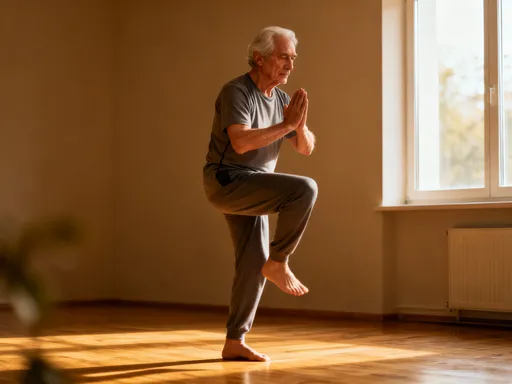
Stability is the body’s ability to maintain control during movement. It relies on deep core and postural muscles that act as stabilizers. Exercises like the bird-dog (alternating arm and leg lifts while on hands and knees) or single-leg stands improve balance and reduce the risk of falls. These movements train the nervous system to respond quickly to shifts in weight, which is especially important as reflexes slow with age. Strength, while often associated with heavy lifting, in rehab training means building functional strength—the kind that supports daily activities. Bodyweight exercises like wall push-ups, seated leg extensions, and standing calf raises are effective and safe ways to build muscle without strain.
Coordination ties all these elements together. It involves timing, rhythm, and the integration of multiple muscle groups. Activities like marching in place, heel-to-toe walking, or gentle tai chi movements enhance neural connections and improve overall movement quality. The key to success with these pillars is progression. Start with what feels manageable—perhaps 30 seconds of single-leg balance or 10 ankle circles per side—and gradually increase duration and complexity. Consistency is far more important than intensity. Even five minutes a day, done regularly, can lead to noticeable improvements in posture, energy, and confidence. Over time, these small efforts compound into significant gains in independence and well-being.
Building Your Daily 15-Minute Anti-Aging Routine
One of the most common barriers to exercise is the belief that it requires large blocks of time. The truth is, even 15 minutes a day of focused rehab training can yield meaningful results. The key is to design a routine that is simple, repeatable, and integrated into your daily life. Begin with a three-minute joint warm-up: gently rotate your wrists, elbows, shoulders, neck, hips, knees, and ankles. This increases circulation and prepares the body for movement. Follow with two minutes of core activation—pelvic tilts while lying on your back or seated abdominal bracing (drawing the navel toward the spine without holding your breath).
Next, spend five minutes on functional movements: perform 10 seated marches (lifting knees alternately while sitting), 10 standing side leg lifts (holding onto a chair for support), and 10 wall push-ups. These exercises build strength and coordination without strain. Finish with five minutes of balance and coordination: practice standing on one leg for 20–30 seconds per side, then walk heel-to-toe in a straight line for 20 steps. This sequence targets all four movement pillars and can be done at home with no equipment. For best results, perform this routine 5–6 days a week. Morning is ideal, as it sets a tone of alertness and mobility for the day, but it can also be done after long periods of sitting to counteract stiffness.
Tracking progress doesn’t require a journal or fitness tracker—simply notice how your body feels. Are you standing taller? Do stairs feel easier? Is morning stiffness less pronounced? These subtle wins are powerful indicators of change. Over time, you may find yourself adding extra repetitions, holding balances longer, or progressing to more advanced variations. The goal is not perfection but consistency. This daily ritual becomes more than exercise—it becomes a form of self-respect, a daily promise to care for your body and honor its capabilities.
Overcoming Barriers: Time, Motivation, and Doubt
It’s natural to feel uncertain when starting something new, especially when it involves your body and health. Common concerns include not having enough time, feeling too stiff to begin, or doubting whether such gentle movements can make a real difference. The solution lies in reframing rehab training not as another task on an endless to-do list, but as an act of self-care. Just as you make time for brushing your teeth or preparing meals, movement deserves a place in your daily routine. Even two minutes counts. The key is to start small and build gradually, allowing your body to adapt without overwhelm.
Habit-stacking can be a powerful strategy. Pair your rehab exercises with existing routines—do ankle circles while brushing your teeth, practice single-leg balance while waiting for the kettle to boil, or perform seated marches during a TV commercial break. These micro-moments add up and help establish consistency without disrupting your day. It’s also important to distinguish between discomfort and pain. Some mild tightness or fatigue is normal as muscles reawaken, but sharp or persistent pain is a signal to stop and reassess. Listen to your body. Progress is not measured by speed or intensity, but by how consistently you show up for yourself.
Motivation often follows action, not the other way around. You don’t need to feel inspired to begin—just take the first step. Celebrate small victories: holding a balance for five seconds longer, completing the full 15-minute routine, or noticing you no longer need to hold the railing on stairs. Each repetition builds physical and mental resilience. Over time, the routine becomes less of a challenge and more of a comfort—a familiar, grounding practice that supports your energy, mood, and sense of control. This is not about achieving a perfect body; it’s about reclaiming the freedom to move through life with confidence and ease.
When to Seek Professional Guidance and Stay Safe
While rehab training is safe for most people, individual needs vary, especially if you have existing health conditions such as joint replacements, heart disease, or neurological disorders. Before beginning any new exercise program, it’s wise to consult a physical therapist or certified rehabilitation specialist. These professionals can assess your movement patterns, identify areas of weakness or imbalance, and create a personalized plan that aligns with your goals and limitations. This is especially important if you’ve experienced falls, chronic pain, or limited mobility, as improper form or inappropriate exercises could lead to injury.
It’s also important to avoid mimicking online routines without understanding your own body’s needs. What works for one person may not be suitable for another. A qualified professional can teach you how to perform each movement with proper alignment, ensuring maximum benefit and safety. Emphasize form over speed or number of repetitions. Moving slowly and with control is more effective than rushing through exercises. If you feel pain, dizziness, or shortness of breath, stop immediately and seek guidance. Remember, this is not a race. The goal is long-term improvement, not quick results.
Staying safe also means being patient. Progress in rehab training is often gradual, but it is deeply meaningful. Small, consistent efforts lead to lasting change. By investing in professional support when needed and prioritizing safety in your daily practice, you build a foundation for lifelong health. This is not about achieving perfection—it’s about honoring your body’s journey and supporting it with knowledge, care, and respect.
Rehabilitation training isn’t just for recovery—it’s a powerful, underused tool for aging well. By restoring movement, we reclaim independence, energy, and confidence. The best part? It’s never too late to start. With just minutes a day, you’re not fighting time—you’re working with your body to age stronger, smarter, and freer. This is not a temporary fix, but a lifelong commitment to vitality. Every movement you make is a step toward a more resilient, capable, and joyful version of yourself. And that is a promise worth keeping.