Why I Never Get Sick Anymore – My Simple Body Care Routine That Just Works
You don’t need miracle cures or extreme diets to stay healthy. I used to catch every cold that went around—until I changed a few daily habits. It wasn’t about going viral with wellness trends, but about consistent, smart body care. This is how I boosted my immunity naturally, without overwhelm. No hype, no gimmicks—just real, doable steps that made a real difference. And yes, science backs most of it. My journey wasn’t sparked by a dramatic diagnosis, but by a slow buildup of fatigue, sore throats, and endless tissues. I was missing work, canceling plans, and feeling like my body was always one sniffle away from collapse. Then I realized: if I could put effort into recovering from illness, why not put that same energy into preventing it? That shift in mindset changed everything.
The Wake-Up Call: When My Body Said “Enough”
For years, I accepted frequent illness as normal. Winter meant at least three colds. Spring brought allergies and exhaustion. Even in summer, a change in temperature or a long day could leave me drained and vulnerable. I blamed it on stress, busy schedules, or simply “being prone to sickness.” But the truth was, my body had been sending warning signals for a long time—signals I ignored. Constant fatigue, slow recovery, frequent headaches, and poor sleep weren’t quirks of life; they were signs of a struggling immune system.
The turning point came during a family trip. I had looked forward to it for months, but within 48 hours of arrival, I was bedridden with a fever, coughing, and too weak to join any activities. Watching my children play without me, I felt a deep sense of loss—not just of the vacation, but of my own vitality. That moment forced me to ask: Was this really how I wanted to live? Did I have to sacrifice my health every time life got demanding? I realized I had been treating my body like a machine that could run indefinitely without maintenance. But the human body isn’t built that way. It needs care, attention, and balance.
Instead of reaching for another over-the-counter remedy, I decided to look deeper. I started researching how the immune system actually works, not through trendy blogs, but through trusted medical sources and peer-reviewed studies. What I discovered wasn’t complicated, but it was powerful: most of what weakens immunity happens in daily habits. Poor sleep, chronic stress, processed foods, and inactivity don’t just make you tired—they directly impair your body’s ability to fight off invaders. I didn’t need a miracle. I needed consistency, awareness, and small, sustainable changes.
Understanding Immunity: Not Magic, Just Biology
Immunity isn’t a mysterious force. It’s a complex, intelligent network of cells, proteins, and organs working together to protect you. Think of it like a security team inside your body—always on duty, scanning for threats like viruses, bacteria, and damaged cells. When functioning well, this system responds quickly and efficiently. But when it’s weakened or overburdened, even minor threats can turn into full-blown illness.
There are two main parts: the innate immune system, which acts as the first responder, and the adaptive immune system, which learns from past threats and creates targeted defenses. Both rely on proper nutrition, rest, and balanced signaling within the body. One key factor often overlooked is inflammation. Short-term inflammation is a natural part of healing—it’s how the body isolates and repairs damage. But chronic inflammation, caused by poor diet, lack of sleep, or ongoing stress, confuses the immune system and makes it less effective.
Sleep and stress play massive roles. During deep sleep, the body produces cytokines—proteins that help regulate immune response. Without enough rest, cytokine production drops, leaving you more vulnerable. Meanwhile, chronic stress increases cortisol, a hormone that, in excess, suppresses immune activity. This is why people often get sick after a stressful period—like exams, work deadlines, or emotional upheaval. The body’s defenses were down when the virus arrived.
The good news? You don’t need a medical degree to support your immunity. You just need to understand that every choice—what you eat, how you sleep, how you manage stress—either strengthens or weakens your body’s natural defenses. It’s not about perfection. It’s about making choices that add up to resilience over time.
The Morning Ritual That Sets the Tone
I start every day the same way—before checking my phone, before turning on the news, before diving into chores. This small window of intentional self-care has become the foundation of my health. The first thing I do is drink a large glass of water with fresh lemon juice. It’s not a detox miracle, but it does help rehydrate the body after hours without fluids. Hydration supports every system, including circulation and lymph flow, both essential for immune function. Lemon adds a touch of vitamin C and encourages gentle digestion.
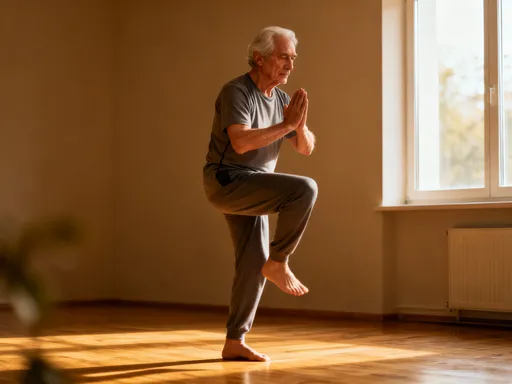
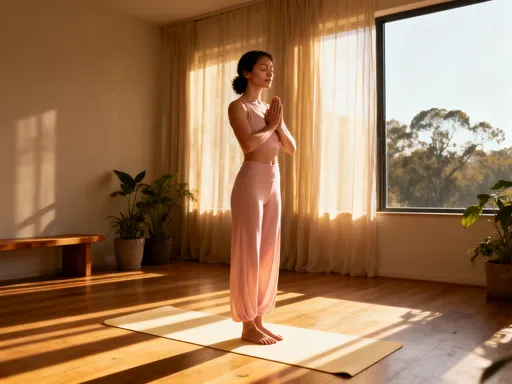
Next, I spend five to ten minutes moving my body. This isn’t intense exercise—just slow stretching, shoulder rolls, neck circles, and a few forward bends. These movements wake up the muscles, improve blood flow, and release tension that builds overnight. Research shows that light physical activity in the morning can boost circulation of immune cells, helping them patrol the body more effectively. It also signals to the brain that it’s time to be alert, easing the transition from rest to activity.
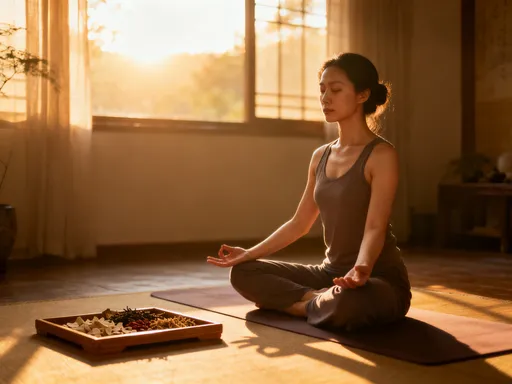
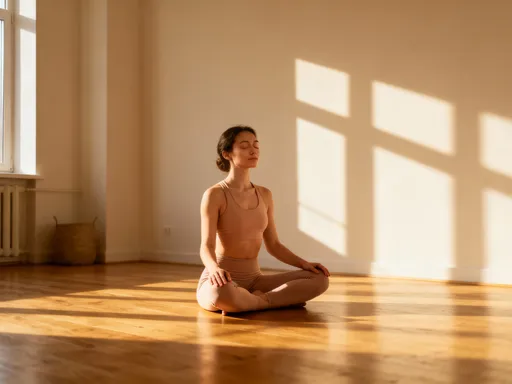
Finally, I practice mindful breathing. I sit quietly and take slow, deep breaths—inhaling for four counts, holding for four, exhaling for six. This simple act activates the parasympathetic nervous system, which calms the body and lowers cortisol. Starting the day in a state of calm, rather than rushing into stress, sets a protective tone. It’s not about eliminating stress entirely—life will always have demands—but about beginning the day from a place of balance, not depletion.
Eating for Defense: Food as Prevention
I used to think eating healthy meant strict diets, calorie counting, or eliminating entire food groups. Now I see nutrition differently: not as restriction, but as fueling my body’s defenses. I focus on whole, minimally processed foods—vegetables, fruits, whole grains, lean proteins, nuts, and seeds. These foods provide the vitamins, minerals, and antioxidants that immune cells need to function.
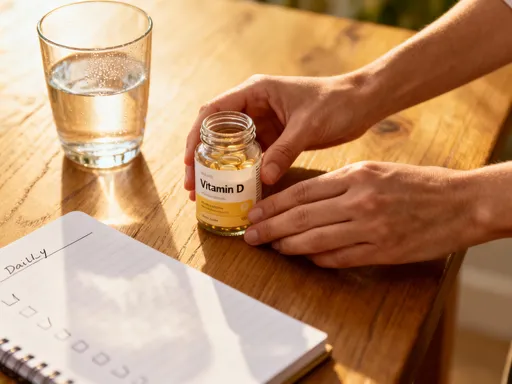
Vitamin C, found in citrus, bell peppers, and broccoli, supports the production of white blood cells. Zinc, present in pumpkin seeds, legumes, and lean meats, helps regulate immune response and wound healing. Vitamin D, which many people lack, especially in winter, plays a crucial role in immune regulation—sunlight exposure and fortified foods can help maintain levels. Rather than relying on supplements unless advised by a doctor, I aim to get these nutrients from food, where they’re absorbed more effectively and come with other beneficial compounds.
One simple change made a big difference: adding more color to my plate. A rainbow of fruits and vegetables means a wider range of antioxidants—like beta-carotene in carrots, lycopene in tomatoes, and anthocyanins in berries. These compounds neutralize free radicals, reduce inflammation, and support overall cell health. I also reduced processed foods—packaged snacks, sugary drinks, and refined carbs—because they spike blood sugar and promote inflammation, weakening immune response over time.
Meal planning helped me stay consistent. Instead of reaching for convenience foods when tired, I prepare simple, nourishing meals in advance. A big salad with chickpeas, roasted vegetables, and olive oil. Oatmeal with berries and nuts. Grilled fish with quinoa and steamed greens. These meals aren’t fancy, but they’re effective. Eating for defense doesn’t require gourmet skills—just intention and awareness.
Sleep: The Unsung Hero of Body Care
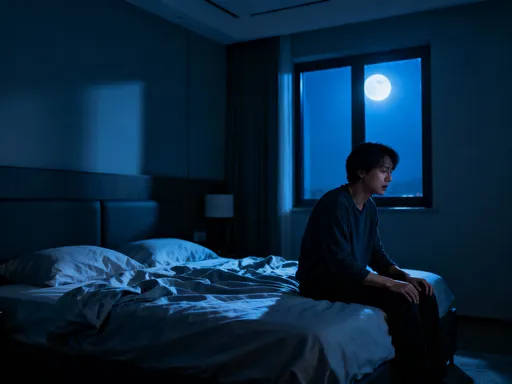
For years, I wore sleep deprivation like a badge of honor—burning the midnight oil, checking emails late, binge-watching shows. I thought I was being productive. In reality, I was sabotaging my health. Poor sleep doesn’t just make you groggy; it impairs immune memory, reduces antibody production, and increases susceptibility to infections. Studies show that people who sleep less than six hours a night are more likely to catch colds than those who get seven to eight.
Changing my sleep habits wasn’t easy at first. My mind would race with to-do lists, and my phone was always within reach. So I created a wind-down routine. One hour before bed, I turn off screens—no laptops, no tablets, no social media. The blue light from devices suppresses melatonin, the hormone that regulates sleep. Instead, I read a book, sip herbal tea like chamomile or passionflower, and dim the lights. This signals to my body that it’s time to rest.
I also set a consistent bedtime and wake-up time, even on weekends. This stabilizes the body’s internal clock, making it easier to fall asleep and wake up naturally. A cool, quiet bedroom helps too—ideally between 60 and 67 degrees Fahrenheit. Over time, this routine became automatic. Now, my body expects rest at the same time each night, and I wake up feeling refreshed more often than not.
The benefits went beyond fewer illnesses. My energy improved. My mood stabilized. I became more focused and patient. Sleep wasn’t just about recovery—it became a form of daily prevention. When I prioritize rest, I’m not just surviving the day; I’m building resilience for the long term.
Stress Management Isn’t Fluff—It’s Protection
Stress is unavoidable. Deadlines, family responsibilities, unexpected challenges—they’re part of life. But chronic stress, the kind that lingers day after day, is a silent immune disruptor. When the body is in constant “fight or flight” mode, it diverts resources away from non-urgent functions—like immune surveillance—to deal with immediate threats. Over time, this leaves the body less equipped to fend off viruses and bacteria.
I used to think stress management meant meditation retreats or expensive therapies. But I’ve learned that small, daily practices make a bigger difference. One of the most effective tools for me has been journaling. Every evening, I spend five minutes writing down what stressed me, how I responded, and one thing I’m grateful for. This simple act helps me process emotions, gain perspective, and end the day on a calmer note.
Short walks in nature also help. Even 10 to 15 minutes outside—without headphones, without distractions—can lower cortisol and improve mood. The combination of movement, fresh air, and natural scenery has a grounding effect. I also practice digital detox periods, especially in the evenings. Constant notifications and information overload keep the nervous system on high alert. Setting boundaries with technology gives my mind space to rest.
Emotional health and physical health are deeply connected. When I’m anxious or overwhelmed, I notice I’m more prone to tension headaches, digestive issues, and even minor infections. But when I take time to breathe, reflect, and reconnect with myself, my body responds with greater strength and balance. Stress management isn’t self-indulgence—it’s a necessary part of staying well.
Consistency Over Perfection: Building Habits That Last
I won’t pretend I do everything perfectly. There are days I skip stretching, eat takeout, or stay up too late. But what’s changed is my mindset. I no longer see health as an all-or-nothing goal. Instead, I focus on consistency—showing up for my body most of the time. Research shows that long-term health is built not by occasional extreme efforts, but by small, repeated actions. It’s the daily choices that shape your resilience.
When motivation fades—and it does—I rely on routine, not willpower. I’ve made healthy habits part of my daily structure, like brushing my teeth or locking the door at night. I don’t need to feel inspired to drink water or go to bed on time. It’s just what I do. Habit stacking—linking a new behavior to an existing one—helps. For example, I stretch right after brushing my teeth in the morning. I journal right after turning off the lights at night. These tiny connections make habits stick.
I also track progress in gentle ways. I notice how often I feel energized, how quickly I recover from minor setbacks, how rarely I get sick. I don’t obsess over numbers or use rigid tracking apps. Instead, I listen to my body. It tells me when I need more rest, when I’ve been eating too much sugar, or when I need to move more. This self-awareness has become one of my most valuable tools.
Building lasting habits isn’t about discipline—it’s about design. When your environment supports your goals, and your routines make healthy choices easy, you don’t need constant motivation. You create a life where wellness is the default, not the exception.
Final Thoughts: Prevention Is a Daily Choice
I still get occasional sniffles. I’m not immune to every virus. But the difference now is depth and duration. What used to knock me out for a week barely slows me down for a day or two. I recover faster, feel stronger, and rarely develop complications. My energy is steadier, my mood more balanced, and my sense of well-being more consistent. This isn’t due to a single magic trick—it’s the result of daily body care, practiced over time.
Prevention isn’t dramatic. It doesn’t go viral. It happens in quiet moments: choosing water over soda, stepping outside for fresh air, turning off the phone an hour early. These small acts accumulate into powerful protection. You don’t need to overhaul your life overnight. Start with one change—better sleep, more vegetables, five minutes of stretching. Master that, then add another. Progress compounds.
Remember, this isn’t medical advice. Everyone’s body is different. If you have health concerns, always consult a qualified healthcare professional. But for most people, the foundation of strong immunity is within reach: balanced nutrition, quality sleep, stress management, and consistent movement. These aren’t trends. They’re timeless principles backed by science and lived experience.
Health isn’t something that happens to you. It’s something you build, day by day. And once you start treating your body with care and respect, you may find, like I did, that wellness isn’t a goal—it’s a way of living.