How Yoga and TCM Healing Changed My Recovery Journey
After months of feeling stuck in my recovery, I discovered a simple but powerful combo: yoga meditation and traditional Chinese medicine. It wasn’t a miracle cure, but it brought real, noticeable relief. This is my story of blending ancient practices into a daily rehab routine that actually works—naturally, gently, and effectively. No hype, just honest insights I wish I’d known sooner. What began as a quiet experiment in self-care grew into a foundational shift in how I approach healing. Instead of chasing quick fixes, I learned to listen, adapt, and trust the process. For anyone who’s been told to ‘just rest’ or ‘push through,’ this journey might offer a different path—one rooted in balance, awareness, and deep respect for the body’s innate wisdom.
The Breaking Point: When Standard Recovery Wasn’t Enough
For nearly nine months, I followed a conventional rehabilitation plan after a prolonged period of physical strain. I attended physical therapy sessions, avoided movements that caused discomfort, and took prescribed supplements. Yet, progress was slow—so slow that some days it felt nonexistent. The frustration built quietly at first, then grew louder with each week that passed without meaningful improvement. I could perform the recommended exercises, but I didn’t feel connected to my body. It was as if I were observing my recovery from a distance, going through the motions without truly engaging in the process.
What troubled me most wasn’t just the physical discomfort, but the emotional toll. I began to feel isolated, as though my body had become an unreliable companion. Despite following expert advice, I sensed something was missing—a deeper layer of healing that standard protocols didn’t seem to address. I wasn’t just healing from an injury; I was navigating fatigue, low motivation, and a growing sense of helplessness. The turning point came during a routine check-in with my therapist, when she gently suggested I might benefit from approaches that addressed both physical and emotional well-being. That comment planted a seed—one that eventually led me to explore yoga and traditional Chinese medicine.
At that moment, I realized I needed a more holistic strategy. I wasn’t looking for a replacement for conventional care, but a complement—one that honored the connection between mind, body, and daily habits. The shift wasn’t dramatic at first. I didn’t abandon my physical therapy or medical guidance. Instead, I began to ask different questions: What if healing wasn’t just about repairing tissue, but restoring balance? What if the body’s signals—fatigue, tension, discomfort—weren’t just obstacles, but invitations to slow down and listen more closely? These reflections marked the beginning of a new chapter in my recovery.
Discovering the Mind-Body Connection: Why Yoga Meditation Made Sense
My first real encounter with yoga meditation came during a period of heightened stress. I had read about its benefits for chronic pain and emotional regulation, but I approached it with skepticism. I imagined yoga as something flexible people did on Instagram, not a practical tool for someone in physical discomfort. Yet, the more I learned, the more it made sense. Research shows that gentle movement and mindful breathing can reduce cortisol levels, the hormone associated with stress, and support nervous system regulation. For someone in recovery, this is crucial—because chronic stress can slow healing by keeping the body in a state of tension and inflammation.
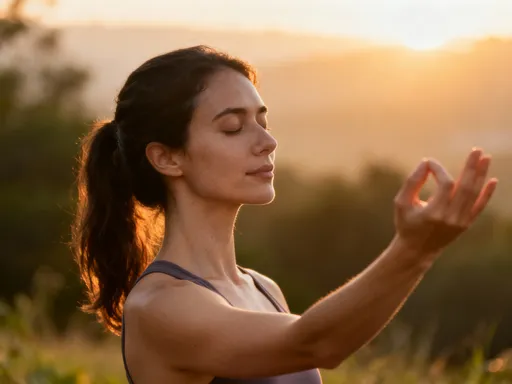
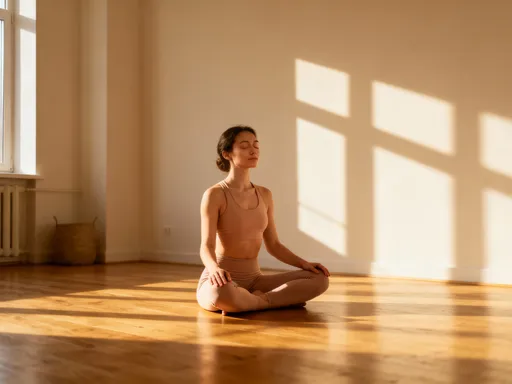
Yoga meditation, particularly in restorative and gentle forms, works by reconnecting the mind and body. It’s not about achieving perfect poses, but about cultivating awareness. When I began practicing a simple 10-minute seated routine—focusing on slow inhales and extended exhales—I noticed subtle changes within days. My shoulders, which had been permanently hunched, began to relax. My breathing deepened without effort. Most importantly, I started to feel present in my body again. This wasn’t about dramatic transformation; it was about reclaiming a sense of agency and presence.
The science behind this is well-documented. Controlled breathing activates the parasympathetic nervous system, often called the ‘rest and digest’ mode. This counters the ‘fight or flight’ response that many in recovery unknowingly live in. By practicing breathwork daily, I was essentially teaching my body that it was safe to relax, repair, and restore. Over time, this shift in nervous system tone translated into reduced muscle tension, better sleep, and a calmer emotional baseline. Yoga meditation didn’t erase my physical challenges, but it gave me tools to navigate them with greater resilience and clarity.
Rooted in Wisdom: Traditional Chinese Medicine’s View on Healing
While yoga helped me reconnect with my body, traditional Chinese medicine (TCM) offered a framework for understanding why healing wasn’t linear. TCM is built on the concept of qi (pronounced ‘chee’), the vital energy that flows through the body along pathways called meridians. According to this ancient system, health is not merely the absence of disease, but the free and balanced flow of qi. When qi becomes blocked or stagnant—due to injury, stress, or poor lifestyle habits—discomfort and illness can arise. Pain, in this view, is not just a signal of tissue damage, but a sign of imbalance that needs attention.
One of the most empowering ideas I learned from TCM was the importance of balance between activity and rest. In Western rehabilitation, there’s often an emphasis on progressive loading and ‘pushing through’ discomfort. TCM, however, teaches that overexertion can deplete qi and delay recovery. Instead, healing requires rhythm—periods of gentle movement followed by true rest. This resonated deeply with my experience. I had been so focused on ‘doing the right exercises’ that I hadn’t allowed space for quiet recovery. TCM reminded me that healing is not a race, but a cycle of effort and restoration.
I began to apply simple TCM principles in daily life. For example, I started paying attention to my energy levels throughout the day, noticing when I felt drained or sluggish. Instead of pushing through, I learned to honor those signals—perhaps by taking a short rest, drinking warm water, or doing a few minutes of mindful stretching. I also became more aware of how external factors—like cold weather or emotional stress—affected my body. These observations weren’t mystical; they were practical insights that helped me make better choices. Over time, I developed a deeper trust in my body’s rhythms, which made my recovery feel less like a battle and more like a collaboration.
Blending Two Worlds: Building a Simple, Unified Rehab Plan
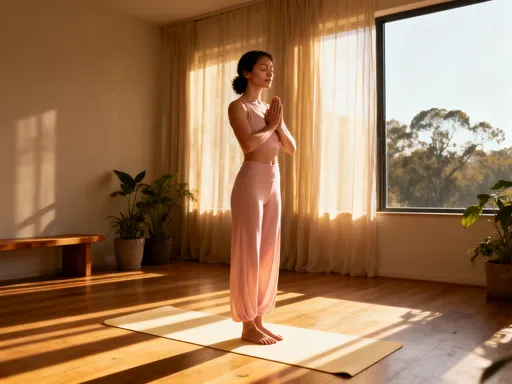
Integrating yoga and TCM into my daily life didn’t require a complete lifestyle overhaul. Instead, I focused on small, sustainable habits that could fit into my existing routine. The key was consistency, not intensity. I started with just five minutes of seated breathwork each morning, followed by a few gentle yoga poses—like cat-cow stretches and supported child’s pose. These movements weren’t strenuous, but they helped me wake up with awareness rather than rushing into the day.
I paired this with TCM-inspired habits, such as drinking warm water throughout the day and avoiding cold drinks, which TCM believes can slow digestion and impair qi flow. I also began walking barefoot on grass for a few minutes each evening—a practice known as ‘earthing’—which some studies suggest may help reduce inflammation and improve sleep. These practices weren’t meant to replace my physical therapy, but to support it. They created a foundation of calm and balance that made my body more receptive to healing.
My daily routine evolved gradually. Mornings began with breath and movement. Afternoons included short breaks to stretch or rest if I felt fatigued. Evenings were for reflection and winding down—no screens, just quiet time. I didn’t follow a rigid schedule, but listened to my body’s cues. Some days, I did more; others, I rested completely. This flexibility was essential. It allowed me to stay consistent without burnout. Over time, these small actions accumulated into real progress—better posture, improved sleep, and a noticeable reduction in daily discomfort.
What Actually Worked: Specific Practices That Made a Difference
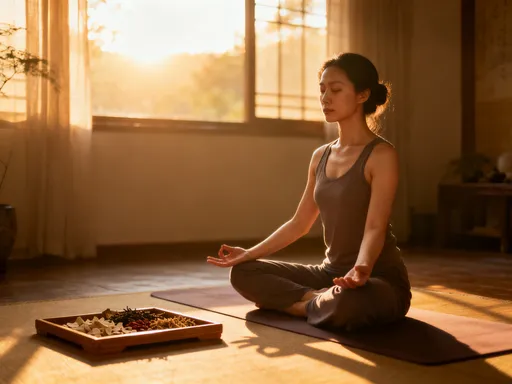
Not every practice had the same impact, but three yoga meditations stood out as particularly effective. The first was seated breath focus, where I sat comfortably and directed attention to the natural rhythm of my breath. This simple act helped regulate my nervous system and reduce mental chatter. The second was gentle spinal twists, performed while lying down, which improved circulation and released tension in my back. The third was supported forward folds, using a cushion to rest my torso, which created a sense of safety and deep relaxation. These poses weren’t about flexibility, but about creating space—physically and mentally.
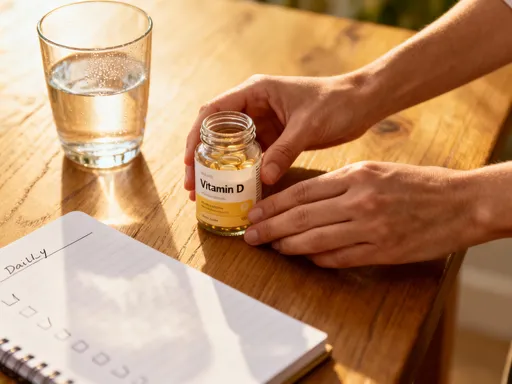
On the TCM side, three habits made a measurable difference. First, warm hydration—drinking warm water or herbal teas like ginger or chrysanthemum—helped soothe my digestion and maintain energy. Second, earthing—walking barefoot on natural surfaces—gave me a sense of grounding, especially on stressful days. Third, honoring natural energy cycles by aligning my activities with my body’s rhythms—such as doing gentle movement in the morning and resting in the evening—helped me conserve energy and avoid crashes. These weren’t exotic or complicated, but they were consistent.
The results emerged gradually. After four weeks, I noticed I was sleeping more deeply and waking with less stiffness. By week eight, my mobility had improved, and I could perform daily tasks with less effort. Emotional shifts followed—less irritability, more patience, and a growing sense of calm. These changes weren’t dramatic, but they were real. They didn’t come from pushing harder, but from listening more closely and responding with kindness. The combination of yoga and TCM didn’t accelerate healing in a linear way, but it created the conditions for healing to happen more naturally.
Overcoming Doubts and Missteps: My Not-So-Perfect Journey
This path wasn’t without setbacks. There were weeks when I skipped my routine, convinced it wasn’t making a difference. I had moments of impatience, expecting faster results. Once, after a slight increase in discomfort, I nearly abandoned the practice altogether, fearing I was doing more harm than good. But instead of quitting, I adjusted. I reduced the duration of my sessions, focused on restorative poses, and reminded myself that healing isn’t always visible. Progress isn’t always forward; sometimes, it’s about holding steady.
What helped me stay on track was reframing my expectations. I stopped measuring success by pain levels alone and began to notice subtler signs—a deeper breath, a moment of calm, a night of uninterrupted sleep. I also learned the importance of self-compassion. Instead of criticizing myself for missing a day, I acknowledged the effort I had made and gently returned to the practice. This shift in mindset was crucial. Recovery isn’t just physical; it’s emotional. Treating myself with kindness became as important as any pose or habit.
Another challenge was balancing these practices with daily responsibilities. As a busy individual with family and work commitments, finding time wasn’t always easy. But I realized that even five minutes of mindful breathing could make a difference. I stopped waiting for the ‘perfect’ moment and started integrating practices into small gaps—while waiting for water to boil, during a child’s quiet playtime, or before bed. These micro-moments added up. Over time, I stopped seeing self-care as a luxury and began to view it as essential maintenance—like charging a battery so it can keep running.
Beyond the Body: Emotional and Mental Shifts Along the Way
One of the most unexpected benefits of this journey was the emotional transformation. As my body began to relax, so did my mind. The constant background noise of worry and frustration softened. I found myself reacting less to minor stressors and responding with more patience. This wasn’t due to a sudden change in circumstances, but to a shift in my internal state. Daily mindfulness helped me process difficult emotions instead of suppressing them. I began to see frustration not as a failure, but as a signal—a sign that I needed rest, clarity, or support.
I also developed a deeper connection with my body’s needs. Instead of ignoring fatigue or pushing through discomfort, I learned to pause and ask, ‘What do I need right now?’ Sometimes the answer was movement; other times, it was rest, warmth, or quiet. This practice of tuning in fostered a sense of trust. I no longer saw my body as an adversary, but as a wise guide. This shift in relationship was profound. It changed how I approached not just recovery, but daily life. I became more present with my family, more focused at work, and more resilient in the face of challenges.
Perhaps the most lasting change was the development of personal resilience. Healing isn’t about returning to who I was before, but becoming someone who can adapt, listen, and grow. The combination of yoga and TCM didn’t just address physical symptoms—it cultivated a mindset of balance, awareness, and self-respect. I no longer measure progress by speed or perfection, but by presence and consistency. The journey taught me that true healing is holistic—it involves the body, mind, and spirit working in harmony.
This journey taught me that healing isn’t just about fixing the body—it’s about creating a life that supports recovery. By combining yoga meditation with TCM wisdom, I built a sustainable, gentle rehab plan that fit my real life. It’s not flashy, but it’s honest, effective, and deeply personal. If you’re feeling stuck, maybe it’s not about pushing harder—but about listening deeper.