What Your Hair Reveals About Your Health (And What to Do)
Your hair isn’t just about looks—it’s a window into your overall well-being. Thinning strands, dull texture, or excess shedding? These can signal imbalances deep within. I’ve been there: frustrated, confused, and overwhelmed by conflicting advice. But science shows hair health is deeply tied to nutrition, hormones, and daily habits. Improving it isn’t magic—it’s methodical. This journey transformed not just my hair, but my energy, confidence, and everyday life. What you see in the mirror may be more than cosmetic; it could be your body’s quiet way of asking for attention. Understanding this connection is the first step toward real change.
The Hidden Story Your Hair Tells
Hair is more than a style statement—it’s a biological record. Changes in thickness, shine, texture, or shedding patterns often reflect internal shifts long before other symptoms appear. For example, sudden thinning may point to iron deficiency or thyroid imbalances, while brittle strands can suggest low protein intake or dehydration. Research has shown that hair can store traces of nutrients, hormones, and even environmental toxins, making it a useful, though not diagnostic, indicator of systemic health. Dermatologists and nutritionists increasingly view persistent hair concerns as clues, not just cosmetic issues.
The scalp and follicles are highly sensitive to metabolic changes. When the body is under stress—whether from illness, poor diet, or emotional strain—it prioritizes vital organs over non-essential functions like hair growth. This evolutionary mechanism explains why hair loss often follows surgery, severe infections, or major life events. Similarly, hormonal fluctuations during perimenopause or after childbirth can trigger temporary shedding. These patterns aren’t random; they follow physiological logic. Recognizing them as signals rather than setbacks allows for earlier, more effective intervention.
One of the most telling signs is the rate and quality of new growth. Slow regrowth with fine, weak strands may indicate inadequate protein synthesis or poor circulation to the scalp. A lack of luster, even with proper washing, might reveal essential fatty acid deficiencies. Meanwhile, excessive dandruff or an itchy scalp could be linked to inflammation or gut imbalances, as emerging research connects microbiome health with skin and hair conditions. The key is consistency in observation—tracking changes over weeks rather than reacting to daily fluctuations.
While genetics play a role in hair density and pattern, lifestyle factors often determine how those genes are expressed. This concept, known as epigenetics, means that even if you have a family history of thinning hair, your daily choices can influence whether and how strongly those traits appear. That doesn’t mean hair loss is always preventable, but it does mean you have more control than you might think. By tuning into what your hair is communicating, you gain insight into your body’s overall state—and the opportunity to respond with care.
Why Hair Matters More Than You Think
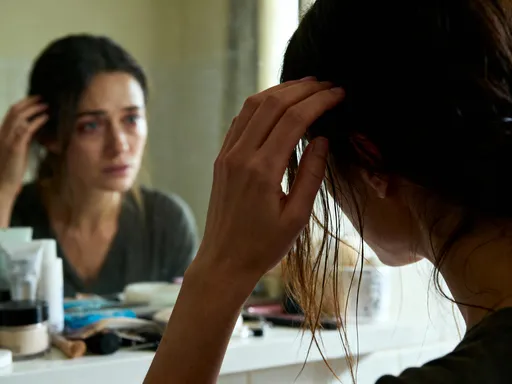
It’s easy to dismiss hair concerns as superficial, especially when compared to more urgent health issues. But for many women, especially those between 30 and 55, hair health is deeply tied to self-image and emotional well-being. Imagine running your fingers through your hair and feeling more breakage than usual, or noticing clumps in the shower drain week after week. These small moments accumulate, quietly eroding confidence. You might avoid pulling your hair back, skip photos, or feel self-conscious in social settings—even if no one else notices.
This isn’t vanity; it’s human nature. Hair has long been associated with vitality, youth, and personal identity. When it changes unexpectedly, it can feel like a loss of control. Women navigating career demands, parenting responsibilities, or caregiving roles may already feel stretched thin. Adding visible hair changes to the mix can deepen stress, creating a feedback loop that worsens the very issue they’re trying to manage. The emotional toll is real, even if it’s rarely discussed openly.
Consider a working mother who starts noticing her ponytail thinning. She might worry about looking tired or unprofessional at work. She may spend extra time styling her hair to hide the changes, adding minutes to an already packed morning routine. Over time, this small daily burden can contribute to fatigue and frustration. Or think of a woman entering perimenopause, already managing mood swings and sleep disruptions, now facing new hair concerns. These experiences aren’t isolated—they reflect how physical changes ripple through daily life, affecting mood, social interactions, and overall quality of life.
Yet, there’s empowerment in reframing the narrative. Instead of seeing hair changes as a flaw, viewing them as information shifts the focus from shame to action. When you understand that your hair is responding to internal conditions, you can address the root causes with compassion and strategy. This mindset doesn’t erase the emotional impact, but it transforms it into motivation. Caring for your hair becomes an act of self-respect, a way of honoring your body’s needs during different life stages.
The Science Behind Hair Growth Cycles
To understand hair health, it helps to know how hair grows. The process follows a predictable cycle made up of three phases: anagen, catagen, and telogen. The anagen phase is the active growth stage, during which hair follicles produce new strands. This phase can last anywhere from two to seven years, depending on genetics and health. About 85% to 90% of your hair is typically in this phase at any given time. The length of anagen largely determines how long your hair can grow.
Next is the catagen phase, a short transitional period lasting about two to three weeks. During this time, hair stops growing and the follicle shrinks. The strand detaches from the blood supply but remains in place. This phase prepares the follicle for the final stage. Only about 1% to 3% of hair is in catagen at any moment, so it’s rarely noticeable.
The telogen phase is the resting stage, lasting around three months. At the end of this phase, the old hair sheds naturally, making room for a new one to begin the cycle again. Normally, it’s typical to lose 50 to 100 hairs per day—this is part of healthy turnover. About 10% to 15% of your scalp hair is in telogen at any time. When the cycle completes, the follicle re-enters anagen, and the process repeats.
Problems arise when this cycle is disrupted. Stress, nutritional deficiencies, hormonal shifts, or illness can push more hairs into telogen prematurely, leading to what’s known as telogen effluvium. This condition results in noticeable shedding a few months after the triggering event. Because the cycle is time-delayed, the cause of current shedding may have occurred weeks or even months earlier. This lag often confuses people, who may not connect their hair changes to past stressors or dietary lapses.
Another common issue is a shortened anagen phase, which limits growth potential. This can result from chronic stress, low iron, or hormonal imbalances like those seen in thyroid disorders. When the growth phase is cut short, hair doesn’t have time to reach its full length before entering the resting and shedding stages. Over time, this leads to thinner, shorter hair. Understanding these cycles underscores why quick fixes rarely work—hair growth is a slow, cyclical process that responds best to consistent, long-term care.
Nutrients That Actually Support Stronger Hair
Hair is made primarily of keratin, a protein that requires specific nutrients to form and maintain. While many products promise results through external treatments, true strength begins from within. A balanced diet rich in key vitamins and minerals provides the building blocks for healthy follicles and resilient strands. Unlike supplements, which can sometimes lead to imbalances, whole foods offer nutrients in forms the body recognizes and uses efficiently.
Iron is one of the most critical nutrients for hair health. It helps red blood cells carry oxygen to the scalp and follicles. Iron deficiency, especially in premenopausal women, is a well-documented cause of hair thinning. Good dietary sources include lean meats, lentils, spinach, and fortified cereals. Pairing plant-based iron with vitamin C-rich foods like bell peppers or citrus enhances absorption. However, excessive iron intake can be harmful, so it’s best to test levels before making major dietary changes.
Biotin, also known as vitamin B7, plays a role in keratin production. While severe deficiency is rare, mild insufficiency may contribute to brittle hair. Eggs, nuts, seeds, and sweet potatoes are natural sources. Despite its popularity in supplements, research shows that biotin benefits are most evident in those who are deficient. For most people, a varied diet provides enough. Overuse of high-dose biotin supplements can interfere with lab tests, including those for thyroid function, so caution is advised.
Zinc supports immune function and cell reproduction, both essential for hair growth. Low zinc levels have been linked to hair shedding and scalp issues. Pumpkin seeds, chickpeas, and shellfish are excellent sources. However, too much zinc can inhibit copper absorption and cause its own problems, so balance is key. Vitamin D, often called the “sunshine vitamin,” also influences hair cycling. Low levels are associated with alopecia and telogen effluvium. Fatty fish, fortified dairy, and moderate sun exposure help maintain adequate levels.
Omega-3 fatty acids, found in fatty fish, flaxseeds, and walnuts, support scalp health by reducing inflammation and keeping skin hydrated. They contribute to the oil (sebum) that naturally conditions the scalp. Protein, the foundation of hair, should be consumed consistently throughout the day. Beans, poultry, Greek yogurt, and tofu provide high-quality protein without excess saturated fat. No single nutrient works in isolation—synergy matters. A diet that includes a variety of colorful vegetables, whole grains, lean proteins, and healthy fats creates the internal environment where hair can thrive.
Lifestyle Factors You Can’t Ignore
Nutrition is foundational, but it’s only part of the picture. Daily habits like sleep, stress management, and hydration profoundly influence hair health. Chronic stress, in particular, triggers the release of cortisol, a hormone that, in excess, can disrupt the hair growth cycle. Elevated cortisol has been shown to shorten the anagen phase and push more follicles into shedding. This is why many women notice increased hair loss after prolonged periods of emotional or physical strain.
Sleep is equally important. During deep sleep, the body repairs tissues, balances hormones, and regenerates cells—including those in the scalp. Poor sleep quality or insufficient rest can impair these processes, weakening hair over time. Establishing a consistent bedtime routine, limiting screen time before bed, and creating a calm sleep environment can improve both sleep and hair outcomes. Even small improvements, like adding 30 minutes of restful sleep per night, can make a difference over weeks.
Hydration is another overlooked factor. Hair strands contain water, and the scalp needs moisture to function properly. Dehydration can lead to dryness, flakiness, and increased breakage. While drinking water alone won’t regrow hair, it supports overall cellular function and nutrient delivery. Aiming for six to eight glasses of water daily, along with water-rich foods like cucumbers and melons, helps maintain internal balance.
Physical activity also plays a role. Regular exercise improves circulation, which enhances blood flow to the scalp. It also helps regulate insulin and reduce inflammation—both of which support healthy hair. Activities like brisk walking, yoga, or swimming can be especially beneficial, as they combine movement with stress reduction. The key is consistency, not intensity. Gentle, daily movement often has more lasting benefits than occasional intense workouts.
These lifestyle elements don’t act overnight. Their impact builds gradually, reinforcing the importance of patience. Unlike topical treatments that promise instant results, these changes work beneath the surface, creating conditions where hair can grow stronger and more resilient over time. They’re not quick fixes, but they’re sustainable strategies that benefit the whole body.
What to Avoid: Common Mistakes That Worsen Hair Issues
Even with the best intentions, certain habits can undermine hair health. Over-styling is one of the most common culprits. Frequent use of hot tools like flat irons, curling wands, and blow dryers can damage the hair shaft, leading to split ends and breakage. Heat weakens the protein structure of hair, especially when used at high temperatures or without protection. Reducing heat styling to once a week or using lower settings can significantly reduce damage.
Chemical treatments, including bleaching, perming, and relaxing, also take a toll. These processes alter the hair’s natural structure, often stripping it of moisture and protective lipids. While occasional coloring may be safe, repeated treatments without proper care can lead to long-term fragility. Choosing ammonia-free dyes, extending time between appointments, and using deep conditioning treatments can help minimize harm.
Aggressive brushing, especially when hair is wet, increases breakage. Wet hair is more elastic and vulnerable to stretching and snapping. Using a wide-tooth comb and starting from the ends, working upward gently, reduces stress on strands. Tight hairstyles like high ponytails, buns, or braids can cause traction alopecia over time, particularly along the hairline. Varying hairstyles and avoiding constant tension gives follicles a chance to recover.
Another often-overlooked mistake is overwashing. While cleanliness is important, stripping the scalp of natural oils can lead to dryness and irritation. For many, washing every other day or even two to three times a week is sufficient. Using sulfate-free shampoos and conditioners suited to your hair type helps maintain balance. Additionally, ignoring scalp health—such as not massaging the scalp or leaving product buildup—can impair follicle function. A healthy scalp is the foundation for healthy hair, and care should extend beyond the strands to the skin beneath.
A Realistic, Science-Backed Action Plan
Improving hair health isn’t about drastic overhauls—it’s about consistent, manageable changes. Start by tracking your current habits. Keep a simple journal for two weeks, noting your meals, sleep quality, stress levels, and hair care routine. This awareness helps identify patterns. For example, you might notice more shedding after nights of poor sleep or during particularly busy weeks at work.
Next, focus on nutrition. Aim to include a source of protein at every meal, add leafy greens several times a week, and incorporate healthy fats like avocado or nuts. If you suspect a deficiency, consult a healthcare provider for testing before starting supplements. Blood tests for iron, vitamin D, and thyroid function can provide valuable insights. Remember, more isn’t always better—excessive intake of certain nutrients can cause adverse effects.
Adjust your hair care routine to be gentler. Limit heat styling, choose mild products, and avoid tight hairstyles. Incorporate a weekly deep conditioning treatment or scalp massage to improve circulation and moisture. Use a satin pillowcase to reduce friction during sleep, which can minimize breakage.
Address lifestyle factors gradually. Pick one area to improve first—whether it’s adding 20 minutes of daily walking, drinking more water, or going to bed 30 minutes earlier. Small changes are more sustainable than trying to do everything at once. Monitor your progress over time. Since hair grows slowly, give yourself at least two to three months before expecting visible results. Take photos monthly to track subtle improvements that may not be obvious day to day.
Finally, practice patience and self-compassion. Hair health reflects overall wellness, and progress isn’t linear. Some weeks will feel better than others. Celebrate non-scale victories, like stronger strands, reduced shedding, or improved energy. These are signs that your body is responding. This isn’t a race—it’s a commitment to long-term care.
Healthier Hair, Better Life
Caring for your hair is, at its core, caring for your body. What you see in the mirror is the result of countless internal processes—nutritional status, hormonal balance, stress levels, and daily habits. When you address hair concerns with a holistic approach, you’re not just improving appearance; you’re supporting overall health. The same choices that strengthen hair—eating well, sleeping deeply, managing stress—also boost energy, mood, and resilience.
This journey isn’t about perfection. It’s about awareness, consistency, and kindness. It’s understanding that your body communicates through subtle signals, and learning to listen. By making small, science-backed changes, you create conditions where hair can thrive—not through magic, but through methodical, sustainable care. Over time, these efforts compound, leading to not just fuller hair, but a greater sense of well-being.
Let your hair be a reminder of your strength and vitality. Let it reflect the care you give yourself, day after day. Because when you nurture your body from within, the results show—not just in your hair, but in how you feel, how you carry yourself, and how you live. Healthier hair isn’t the goal—it’s the evidence of a healthier life.