How I Fixed My Sleep Without Pills — Just This Simple Daily Move
For years, I chased better sleep with every trick out there—herbs, routines, blackout curtains, you name it. Nothing stuck. Then I discovered something shockingly simple: movement. Not intense workouts, but a specific kind of daily exercise that quietly rewired my sleep rhythm. I didn’t believe it at first, but within weeks, I was falling asleep faster and waking up clearer. This isn’t magic—it’s science-backed, real-life tested, and totally doable. Let me break down exactly how it works.
The Hidden Link Between Exercise and Sleep
Many people believe that sleep improvement begins and ends with bedtime habits—turning off screens, avoiding caffeine, or maintaining a cool, quiet room. While these elements of sleep hygiene are important, they often fail when a deeper physiological imbalance remains unaddressed. One of the most overlooked factors in poor sleep is physical inactivity. The body is designed to move, and when it doesn’t, its natural rhythms—including the sleep-wake cycle—become disrupted. Exercise, even in modest amounts, plays a foundational role in aligning the body’s internal clock, also known as the circadian rhythm. This biological system governs when we feel alert and when we feel sleepy, and it responds powerfully to movement.
Physical activity helps regulate sleep by promoting a more consistent release of key hormones like melatonin and cortisol. Melatonin, often called the “sleep hormone,” rises in the evening to signal that it’s time to wind down. Cortisol, the stress-related hormone, should peak in the morning to help us wake up and gradually decline throughout the day. When daily movement is absent, this balance falters. Cortisol levels may remain elevated at night, making it harder to relax, while melatonin production may be delayed or insufficient. Regular movement helps reset this pattern, encouraging cortisol to rise appropriately in the morning and fall by bedtime, while supporting a timely and robust melatonin release.
Another critical benefit of exercise is its effect on sleep latency—the time it takes to fall asleep. Studies have shown that individuals who engage in consistent physical activity fall asleep faster than those who are sedentary. This is partly due to the body’s need to recover after movement. Even light to moderate exercise increases metabolic demand, which the body meets during deep sleep. As a result, the brain begins to associate movement during the day with the need for restorative sleep at night. This connection becomes stronger over time, turning good sleep into a natural consequence of daily activity rather than a goal to be forced.
It’s also important to recognize that not all exercise has the same effect on sleep. Many people assume that intense workouts, such as high-intensity interval training or long runs, are necessary to see benefits. However, research suggests that low-intensity, consistent movement may be even more effective for improving sleep quality, especially for those who are new to exercise or dealing with chronic fatigue. Sporadic, high-effort workouts can sometimes increase stress hormones and lead to physical strain, which may interfere with rest. In contrast, gentle, regular movement—such as walking, stretching, or light cycling—supports the nervous system without overstimulating it. This type of activity promotes relaxation and prepares the body for rest without triggering the alertness associated with vigorous exercise.
Why Traditional Sleep Advice Falls Short
Sleep hygiene is a cornerstone of modern sleep recommendations. Experts routinely advise people to keep a consistent bedtime, avoid screens before bed, and create a calming sleep environment. These guidelines are based on sound principles and can certainly help. However, they often fall short when applied in isolation. Many individuals follow all the rules—no phones in bed, cool room temperature, herbal tea every night—yet still struggle to fall or stay asleep. The missing piece is frequently physical activity. Without movement, the body lacks the physiological signal that it has earned rest.
One of the most underappreciated aspects of sleep regulation is body temperature. Core body temperature naturally drops in the evening, which helps initiate sleep. Physical activity during the day plays a crucial role in this process. When you move, your body heats up. Later, as it cools down—especially in the hours after exercise—this temperature decline mimics the natural drop that occurs before sleep. This cooling effect acts as a biological cue, signaling the brain that it’s time to rest. Without daytime movement, this thermal rhythm can become blunted, making it harder to initiate sleep even in an ideal environment.
Equally important is the role of the nervous system. Chronic stress and inactivity can keep the sympathetic nervous system—the “fight or flight” mode—overactive. This state makes it difficult to relax, even when physically tired. Regular movement helps shift the balance toward the parasympathetic nervous system—the “rest and digest” mode—by reducing stress hormones and promoting a sense of calm. This shift doesn’t happen overnight, but with consistency, the body learns to transition more easily from wakefulness to sleep. In this way, exercise acts as a natural regulator of the nervous system, something no sleep mask or white noise machine can fully replicate.
Inactivity, even in the presence of perfect sleep hygiene, can sabotage rest. The body evolved to be active during the day and rest at night. When modern lifestyles reverse this pattern—long hours sitting, minimal physical demand—the biological signals for sleep become confused. The brain may be mentally tired, but the body isn’t physically ready to rest. This disconnect explains why so many people feel exhausted yet wide awake at bedtime. Movement bridges this gap by creating a genuine need for recovery. When the body has been active, it naturally seeks rest, making sleep not just desirable but inevitable.
The Science Behind Movement and Sleep Quality
The connection between physical activity and improved sleep is not anecdotal—it is well-supported by scientific research. Multiple studies have demonstrated that regular exercise increases the amount of slow-wave sleep, also known as deep sleep. This stage of sleep is critical for physical recovery, immune function, and memory consolidation. During deep sleep, the body repairs tissues, builds bone and muscle, and strengthens the immune system. Individuals who engage in daily movement tend to spend more time in this restorative phase, leading to more refreshing and restful sleep overall.
In addition to enhancing deep sleep, exercise has been shown to reduce nighttime awakenings. Many people with insomnia or fragmented sleep wake up multiple times during the night, often struggling to fall back asleep. Physical activity helps stabilize sleep architecture, making sleep more continuous and less prone to disruption. This effect is particularly noticeable in middle-aged and older adults, who often experience age-related changes in sleep patterns. Even moderate exercise, such as a daily walk, has been linked to fewer awakenings and a greater sense of sleep satisfaction.
One of the key mechanisms behind these benefits is the regulation of neurotransmitters and hormones. Exercise stimulates the release of endorphins, which are natural mood enhancers that reduce pain and promote feelings of well-being. These chemicals help alleviate the low-grade anxiety and mental chatter that often interfere with sleep. At the same time, physical activity helps regulate cortisol, preventing the spikes and fluctuations that can keep the mind alert at night. By creating a more balanced hormonal environment, movement supports both mental and physical readiness for sleep.
Long-term studies have consistently shown that people who maintain regular physical activity are less likely to develop chronic insomnia. A large-scale review published in the journal Sleep Medicine Reviews found that exercise interventions led to significant improvements in sleep quality, sleep duration, and sleep onset latency across diverse populations. The benefits were observed regardless of the type of exercise, as long as it was performed consistently. Importantly, these improvements were sustained over time, suggesting that movement is not just a short-term fix but a lasting solution for better sleep.
My Daily Routine That Changed Everything
After years of restless nights and failed sleep strategies, I committed to a simple 20-minute movement routine every morning. I chose this time of day because research shows that morning exercise helps anchor the circadian rhythm, reinforcing the body’s natural alertness in the daytime and sleepiness at night. My routine is not intense—it doesn’t require special equipment or a gym membership. Instead, it combines three elements: light cardio, gentle stretching, and mindful walking. Each component plays a specific role in preparing my body and mind for better sleep that night.
I begin with ten minutes of light cardio. This includes brisk walking in place, arm circles, and small jumps—enough to raise my heart rate slightly but not enough to cause strain. This phase warms up my body, increases blood flow, and signals the brain that the day has begun. It also helps reset cortisol levels, encouraging a healthy peak in the morning that will gradually decline by bedtime. I keep the intensity low to avoid triggering stress responses, focusing instead on rhythm and consistency.
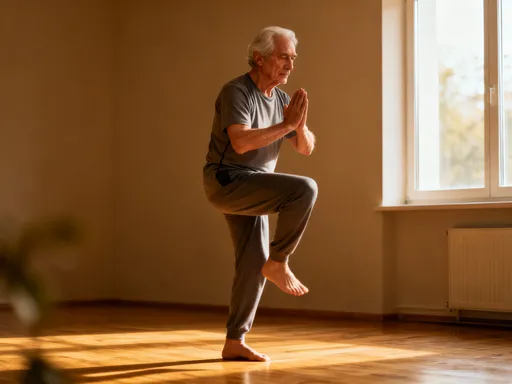
Next, I spend five minutes on gentle stretching. I target major muscle groups—hamstrings, shoulders, back, and hips—holding each stretch for 20 to 30 seconds. This part of the routine helps release physical tension that accumulates overnight, especially in areas prone to stiffness. Stretching also activates the parasympathetic nervous system, promoting a sense of calm that carries through the day. I pay attention to my breathing, inhaling deeply through the nose and exhaling slowly, which further enhances relaxation.
The final five minutes are dedicated to mindful walking. I step outside if possible, even if just around the backyard or down the street. Being in natural light is crucial—it helps regulate melatonin production and strengthens the circadian rhythm. As I walk, I focus on my steps, my breath, and the sensations around me. I don’t rush or multitask. This practice combines movement with mindfulness, reducing mental clutter and setting a peaceful tone for the day. Over time, this routine has become a non-negotiable part of my morning, as essential as brushing my teeth.
How to Build Your Own Sleep-Boosting Exercise Plan
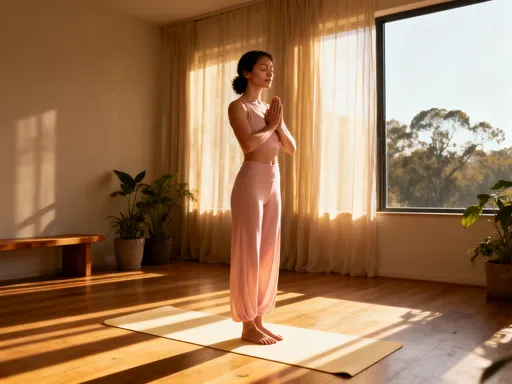
Creating a sustainable movement plan doesn’t require drastic changes. The goal is consistency, not intensity. Start by assessing your current energy levels and daily schedule. If you’re new to exercise or recovering from fatigue, begin with just 10 minutes a day. Choose activities that feel manageable and enjoyable—walking, light yoga, or even dancing to a favorite song. The key is to move your body in a way that feels good, not punishing. Over time, you can gradually increase the duration or variety, but only if it supports your well-being.
Timing matters more than the type of exercise. Morning movement is ideal because it helps set the circadian rhythm, but any time of day can be beneficial as long as it’s consistent. Avoid vigorous exercise within three hours of bedtime, as it may elevate heart rate and body temperature too close to sleep. Instead, save more intense workouts for earlier in the day. If mornings are difficult, consider a short walk after lunch or a gentle stretching session in the early evening. The important thing is to make movement a regular part of your daily rhythm.
To stay consistent, treat your movement routine like an appointment. Schedule it into your day, set a reminder, or pair it with an existing habit—like having your morning coffee or after brushing your teeth. This habit stacking technique increases the likelihood of follow-through. Also, keep your environment supportive: lay out comfortable clothes the night before, keep walking shoes by the door, or create a small space for stretching. The easier it is to begin, the more likely you are to stick with it.
Avoid the trap of overexertion. Many people start with enthusiasm but burn out quickly by doing too much too soon. Listen to your body. If you feel sore or drained, scale back. Rest is part of the process. The goal is not to push yourself to exhaustion but to create a gentle, daily signal that your body is active and deserves rest. Progress is measured not by how hard you work, but by how well you sleep.
Real Results: What to Expect and When
Improvements in sleep don’t always happen overnight, but they do come with consistency. Most people begin to notice changes within two to three weeks of starting a regular movement routine. The first signs are often subtle: feeling slightly more alert in the morning, experiencing less restlessness at bedtime, or waking up fewer times during the night. These small shifts are meaningful—they indicate that your body is beginning to realign with its natural rhythms.
One of the earliest benefits many people report is reduced nighttime anxiety. As movement helps regulate the nervous system, the mental chatter that often keeps people awake begins to quiet down. You may find that your mind feels less “busy” at bedtime, making it easier to let go and fall asleep. Another common change is easier morning wake-ups. Instead of hitting the snooze button repeatedly, you may find yourself rising more naturally, feeling more refreshed even if your total sleep time hasn’t changed yet.
Tracking progress can be helpful, but it’s important to do so without pressure. You don’t need a sleep tracker or fitness monitor to see results. Simply pay attention to how you feel. Are you more alert during the day? Do you fall asleep more easily? Do you wake up feeling more restored? These subjective measures are often more accurate than numbers on a screen. If you do use a tracker, focus on trends over time rather than daily fluctuations. Remember, the goal is not perfection but gradual improvement.
Making It Stick: Lifestyle Tweaks That Support the Routine
To maximize the sleep benefits of movement, consider pairing it with other supportive habits. Hydration is essential—drink water throughout the day, especially after your morning routine. Dehydration can contribute to fatigue and poor sleep quality. Exposure to natural daylight, particularly in the morning, enhances the circadian signal and supports melatonin regulation. Even 10 to 15 minutes of outdoor light can make a difference. If you can’t go outside, sit near a bright window during breakfast or your morning coffee.
Meal timing also plays a role. Eating your largest meal earlier in the day and avoiding heavy meals close to bedtime can improve sleep quality. Digestion slows at night, and a full stomach may interfere with rest. Similarly, limiting caffeine after noon helps prevent it from disrupting your sleep cycle. These small adjustments work synergistically with movement to create a more sleep-friendly lifestyle.
Environmental cues can reinforce your routine. Use consistent triggers—like putting on workout clothes, playing the same music, or stepping outside at the same time each day—to signal to your brain that it’s time to move. Over time, these cues become automatic, making the habit easier to maintain. If you travel or have an irregular schedule, adapt your routine rather than abandoning it. Even five minutes of stretching or a short walk around the hotel block can keep the rhythm alive.
If you have existing health conditions—such as heart disease, chronic pain, or sleep disorders—consult a healthcare provider before starting a new exercise plan. They can help you choose safe, appropriate activities and ensure that your approach supports your overall health. Movement is powerful, but it should be tailored to your individual needs. A doctor or physical therapist can provide personalized guidance, especially if you’re unsure where to begin.
Conclusion: A Natural Path to Better Rest
Better sleep doesn’t have to come from pills, expensive devices, or complicated routines. Often, the most effective solution is the simplest: daily movement. By incorporating consistent, low-intensity exercise into your life, you support your body’s natural ability to rest and recover. This approach works from the inside out, addressing the physiological roots of poor sleep rather than just managing symptoms. It’s not about perfection—it’s about showing up for yourself, one small step at a time.
Start small. A 10-minute walk, a few stretches, or a gentle movement session can make a difference. The key is consistency. Over time, your body will respond by delivering deeper, more restorative sleep. You’ll wake up feeling clearer, more energized, and more in tune with your natural rhythm. This isn’t a quick fix—it’s a lifelong investment in your well-being.
Reclaiming rest should not be a daily struggle. It can be a natural, effortless part of your life. By honoring your body’s need for movement, you create the conditions for truly restful sleep. You don’t need to chase sleep anymore. Let your daily routine lead you gently into the rest you deserve.