How Stress Silently Sabotages Your Hair — And What Actually Helps
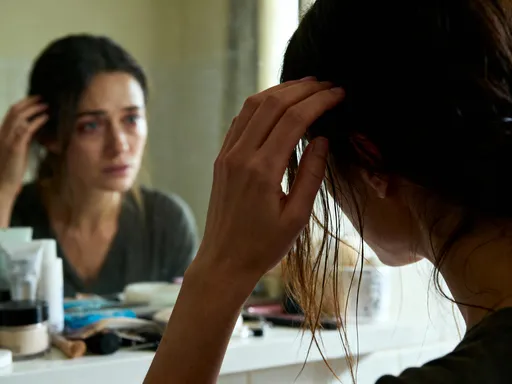
You wash your hair, try fancy products, even change shampoos—but nothing stops the shedding. What if the real culprit isn’t your scalp, but your stress levels? Chronic tension disrupts hormones, weakens hair roots, and slows growth. I’ve been there. After months of sleepless nights and burnout, my brush filled with hair. This guide dives into how calming your mind can revive your strands—no hype, just real science and what truly worked for me.
The Hidden Link Between Stress and Hair Health
Many women in their 30s to 50s begin noticing more hair on their brushes, in the shower drain, or thinning at the crown—yet their routines haven’t changed. They haven’t switched shampoos, they avoid heat styling, and they eat what they consider a balanced diet. Still, the hair keeps falling. What’s often overlooked is the invisible force behind this loss: chronic stress. Emotional strain—whether from work pressure, caregiving responsibilities, financial concerns, or personal transitions—triggers a cascade of physiological changes. One of the most significant is the release of cortisol, often called the “stress hormone.” When cortisol remains elevated over time, it disrupts the delicate balance required for healthy hair growth.
Hair grows in cycles: the anagen (growth) phase, catagen (transition) phase, and telogen (resting) phase. Normally, about 90% of hair is in the growth phase, while 10% rests. But under prolonged stress, the body may prematurely push a larger number of follicles into the telogen phase. This condition, known as telogen effluvium, results in noticeable shedding about two to three months after the initial stressor. Unlike genetic hair thinning, which typically follows a predictable pattern, stress-related shedding tends to be diffuse—meaning it occurs all over the scalp rather than in specific areas. Because the onset is delayed, many women don’t connect the hair loss to a stressful event months earlier, making it harder to identify the root cause.
Medical research supports this connection. Studies published in dermatology journals have shown that psychological stress can alter immune function and blood flow to the scalp, both of which are critical for follicle health. Stress also increases oxidative damage at the cellular level, which can weaken hair shafts and impair regeneration. Importantly, this isn’t about dramatic life crises alone—daily low-grade stress, such as constant multitasking, lack of downtime, or poor sleep, can accumulate to the same biological effect. The body doesn’t distinguish between a major life event and ongoing emotional fatigue; both register as threats that trigger survival mechanisms, including redirecting energy away from non-essential processes like hair growth.
Understanding this link is the first step toward recovery. When hair loss is viewed not as a cosmetic issue but as a signal from the body, it shifts the focus from covering up symptoms to addressing internal balance. Women who recognize stress as a contributing factor often report feeling a sense of relief—finally, there’s an explanation that makes sense. More importantly, it means the situation is reversible. Unlike permanent genetic thinning, telogen effluvium is typically temporary. Once the stress is managed and the body returns to a state of equilibrium, the hair cycle can normalize. But this requires more than just waiting—it demands intentional steps to reduce stress and support the body’s natural healing rhythms.
Recognizing the Signs: When Hair Speaks to Your Nervous System
How do you know if stress is behind your hair loss? The signs are often subtle at first. You might notice more strands than usual on your pillow in the morning, or find clumps in your brush after styling. The change isn’t sudden baldness, but a gradual thinning that makes your part wider or your ponytail noticeably slimmer. These shifts can be emotionally unsettling, especially when they occur without an obvious cause. For many women, the realization comes only in hindsight—after identifying a stressful period that preceded the shedding by several weeks or months.
Common triggers include major life changes such as job transitions, moving homes, or caring for aging parents. But smaller, persistent stressors can be just as impactful. The constant juggling of work deadlines, household duties, and family needs creates a low hum of tension that the body absorbs over time. Even positive events—like planning a wedding or welcoming a new baby—can elevate stress hormones due to the disruption of routine and sleep. Post-pandemic adjustments have also left many women in a state of lingering nervous system activation, where the body remains in “alert” mode long after the immediate threat has passed.
Another red flag is slow regrowth. You may stop shedding, but new hair takes months to reappear, and when it does, it’s often finer or lighter in color. This is because the follicles need time to recover and re-enter the growth phase. Without addressing the underlying stress, the cycle can repeat. Some women report seasonal patterns—more shedding in spring or fall—but upon reflection, these times often coincide with increased demands, such as school schedules or holiday preparations.
Tracking your shedding can help identify patterns. While daily hair loss of 50 to 100 strands is normal, consistently losing more—especially after stressful weeks—suggests a connection. Keeping a simple journal that notes both emotional stress levels and hair changes can reveal correlations over time. For example, a week of poor sleep and high anxiety might be followed by a noticeable increase in shedding two months later. This awareness doesn’t create more worry—it empowers you to take action. When you see hair loss as feedback rather than failure, you begin to treat it as part of a larger picture of health, not an isolated problem to fix with topical solutions alone.
Breaking the Cycle: How Calming the Mind Supports Scalp Recovery
Reducing stress isn’t just about feeling more relaxed—it’s about creating the internal conditions for hair to grow. When cortisol levels drop, the body shifts from survival mode to restoration mode. This shift activates the parasympathetic nervous system, often called the “rest and digest” state. In this state, blood flow improves, digestion functions efficiently, and tissues—including hair follicles—receive the oxygen and nutrients they need to regenerate. Dermatological research has shown that improved circulation to the scalp correlates with stronger hair growth, as follicles are nourished more effectively.
One of the most important changes that occur with stress reduction is hormonal balance. Cortisol interferes with the production of other hormones, including those involved in thyroid function and sex hormones, both of which influence hair health. When stress is managed, these systems can recalibrate. Additionally, lower inflammation levels reduce oxidative stress on the scalp, which protects follicles from damage. This biological reset doesn’t happen overnight, but with consistent practices, the body begins to heal from within.
Mind-body practices such as mindfulness, deep breathing, and gentle movement have been shown in clinical studies to lower cortisol levels within weeks. These aren’t just anecdotal benefits—they’re measurable. For example, a study published in the journal Psychoneuroendocrinology found that participants who practiced daily breathing exercises for eight weeks had significantly reduced cortisol levels compared to a control group. Another study observed improved hair density in women with telogen effluvium who engaged in regular relaxation techniques, even without changing their hair care routines.
The key is consistency. Just as hair loss develops gradually, recovery does too. The goal isn’t to eliminate all stress—life will always have challenges—but to build resilience so that the body can recover more quickly. When you support your nervous system, you’re not just calming your mind; you’re sending a signal to your hair follicles that it’s safe to grow again. This is where true healing begins—not with a new serum, but with a shift in how you care for your whole self.
Simple Daily Shifts That Make a Difference
Healing doesn’t require drastic changes. Small, consistent actions can have a powerful impact on both stress levels and hair health. One of the most effective tools is mindful breathing. Taking just five minutes a day to focus on slow, deep breaths can activate the parasympathetic nervous system and lower cortisol. Try this simple practice: inhale through your nose for a count of four, hold for four, exhale for six, and pause for two. Repeat for five to ten cycles. Doing this in the morning or before bed helps regulate your nervous system over time. The beauty of this habit is that it’s free, requires no equipment, and can be done anywhere—even in your car before walking into a busy day.
Another powerful practice is scalp massage. Just five minutes a day can increase blood flow to the follicles, delivering more nutrients and oxygen. Use your fingertips (not nails) to apply gentle pressure in small circles across your scalp. Start at the forehead and move to the crown, then the back and sides. You can do this while watching TV, listening to a podcast, or even during a phone call. Some women find it helpful to use a few drops of a neutral oil like jojoba or coconut, which can also moisturize the scalp. Studies have shown that regular scalp massage can improve hair thickness over time, likely due to the mechanical stimulation and relaxation effect.
Movement is equally important. You don’t need intense workouts to benefit—short walks, stretching, or gentle yoga can all reduce stress and support circulation. Aim for 20 to 30 minutes most days, but even a five-minute stretch break between tasks helps reset your nervous system. Physical activity also helps regulate sleep, which further supports hormonal balance. The goal is not fitness performance but consistent, calming motion that signals safety to the body.
These habits work best when woven into your existing routine. Pair breathing with your morning tea, scalp massage with your evening skincare, or a short walk after lunch. Over time, these moments become anchors of calm in a busy day. The results may not be immediate, but women who stick with these practices often report not only less shedding but also better sleep, improved mood, and a greater sense of control. That inner stability is what creates the foundation for hair recovery.
The Role of Sleep and Routine in Hair Resilience
Sleep is one of the most powerful yet underrated tools for hair health. During deep sleep, the body repairs tissues, balances hormones, and processes the day’s emotional experiences. Growth hormone, which supports cell regeneration, is primarily released during restorative sleep cycles. When sleep is disrupted or insufficient, these processes are impaired. Cortisol levels can remain elevated, inflammation increases, and nutrient delivery to the scalp slows—all of which negatively affect hair.
Many women in this age group struggle with sleep due to hormonal shifts, stress, or caregiving responsibilities. Waking up during the night, difficulty falling asleep, or feeling unrested in the morning are common complaints. These patterns directly impact hair. Poor sleep has been linked to increased shedding and slower regrowth in clinical observations. The connection is clear: without quality rest, the body cannot fully recover from daily stress, and the hair cycle remains disrupted.
Improving sleep hygiene doesn’t require perfection. Start with small, realistic changes. Set a consistent bedtime and wake-up time, even on weekends, to regulate your internal clock. Create a wind-down routine that signals to your body that it’s time to rest—this might include turning off screens an hour before bed, reading a book, or drinking herbal tea like chamomile. Dim the lights in the evening to support melatonin production, the hormone that regulates sleep.
Reduce digital stimulation in the bedroom. The blue light from phones and tablets suppresses melatonin and keeps the brain alert. If you use your phone as an alarm, consider switching to a traditional clock. Keep the bedroom cool, quiet, and comfortable. Some women find that using a weighted blanket or listening to soft music helps them relax. The goal is to create a sanctuary that supports rest, not stress. Over time, better sleep leads to lower cortisol, improved mood, and a more stable hair cycle. It’s not about adding more to your to-do list—it’s about protecting the time your body needs to heal.
Nourishment from Within: Foods That Fight Stress and Support Growth
What you eat plays a crucial role in both stress management and hair health. Certain nutrients act as co-factors in hormone regulation, antioxidant defense, and keratin production—the protein that makes up hair. While no single food can reverse shedding overnight, a balanced diet rich in key nutrients supports the body’s ability to recover. Focus on whole, minimally processed foods that provide sustained energy and reduce inflammation.
Zinc is essential for hair tissue growth and repair. It also supports immune function and helps regulate cortisol. Good dietary sources include pumpkin seeds, lentils, chickpeas, and lean meats. Biotin, a B-vitamin, is often associated with hair health because it aids in keratin production. While severe deficiency is rare, mild insufficiency can contribute to thinning. Eggs, almonds, sweet potatoes, and spinach are natural sources. Omega-3 fatty acids, found in fatty fish like salmon, flaxseeds, and walnuts, reduce inflammation and support scalp health by keeping it hydrated.
Vitamin D, often called the “sunshine vitamin,” is another key player. Low levels have been linked to hair loss and mood imbalances. While sunlight is the best source, fatty fish, fortified dairy, and eggs can help maintain levels, especially in winter. Iron is important too, particularly for women with heavy menstrual cycles. Low iron can lead to fatigue and hair shedding. Lentils, spinach, tofu, and lean red meat are good sources, and pairing them with vitamin C-rich foods like bell peppers or citrus improves absorption.
The goal isn’t perfection or restrictive dieting. It’s about adding nourishing foods gradually and consistently. Start with one small change—adding a handful of nuts to your morning yogurt, including lentils in a weekly meal, or eating fatty fish twice a week. These choices support your body’s resilience from the inside out. Combined with stress reduction and good sleep, proper nutrition creates the internal environment where hair can thrive. It’s not about chasing a miracle supplement; it’s about building a foundation of daily care that honors your body’s needs.
When to Seek Professional Support
While lifestyle changes can make a significant difference, persistent or severe hair loss should be evaluated by a healthcare provider. Hair changes can sometimes signal underlying conditions such as thyroid disorders, hormonal imbalances, or nutritional deficiencies. A dermatologist or primary care physician can perform tests to rule out these causes and provide personalized guidance. Blood tests for iron, vitamin D, thyroid hormones, and other markers can offer valuable insights.
It’s important to seek help if shedding continues beyond six months, if you notice bald patches, or if hair loss is accompanied by other symptoms like fatigue, weight changes, or skin issues. Early evaluation can prevent unnecessary worry and ensure you’re addressing the right cause. Some women benefit from working with a registered dietitian, therapist, or other specialists who can support different aspects of well-being.
Professional support doesn’t mean you’ve failed at self-care—it means you’re taking a proactive, informed approach. Many women feel relief after getting answers, even if it means starting treatment. The combination of medical insight and lifestyle adjustments often yields the best outcomes. Remember, asking for help is a sign of strength, not weakness. Your health is worth the investment, and so is your peace of mind.
Hair health reflects inner balance. By addressing stress not as a side note but a core factor, you’re not just saving your strands—you’re building a calmer, more resilient life. The journey isn’t about perfection, but small, steady choices that add up. Your hair can recover, not because you found a magic product, but because you finally listened.