What I Learned About Real Healing: Acupuncture, Massage, and Living by Better Health Standards
For years, I chased quick fixes for chronic tension and low energy—until I discovered the quiet power of acupuncture and massage. This isn’t about miracles, but consistency, balance, and respecting real health standards. I’m sharing what actually worked, not as a doctor, but as someone who tested it all. Healing isn’t loud; it’s listening. And honestly? I wish I’d started sooner.
The Breaking Point: When Pain Changed My Perspective
It started subtly—a dull ache in the shoulders after long days at the kitchen table, stiffness in the lower back that made bending to unload the dishwasher a chore. At first, I dismissed it as part of getting older, the natural cost of raising children, managing a household, and balancing responsibilities. Over-the-counter pain relievers helped temporarily, and hot baths offered fleeting relief. But the discomfort persisted, creeping into mornings with a stiffness that made getting out of bed feel like a negotiation with my own body. I tried stretching, over-the-counter creams, and even a posture-correcting pillow, but nothing addressed the root of the problem.
The turning point came one rainy Tuesday when I couldn’t lift my youngest grandchild without a sharp pull across my upper back. That moment cracked something open—not just physically, but emotionally. I realized I wasn’t just managing discomfort; I was slowly losing access to the small joys of daily life. The inability to play freely with family, to garden without pain, or to sleep through the night eroded my sense of well-being. I began to question whether ‘normal aging’ had to mean declining function. Was it possible that the fatigue and stiffness weren’t inevitable, but signals of a system out of balance?
This realization led me to explore the concept of functional wellness—a term I hadn’t heard before but one that resonated deeply. Functional wellness isn’t just the absence of disease; it’s the presence of vitality, mobility, and resilience in everyday life. It asks not whether you’re sick, but whether you’re truly thriving. I began to understand that my standard health habits—eating balanced meals, walking occasionally, taking vitamins—while important, weren’t enough to correct the accumulated strain my body had endured. I needed a different kind of care, one that addressed not just symptoms, but the underlying patterns of tension and recovery.
Acupuncture Unpacked: More Than Just Needles
When I first considered acupuncture, I admit I was skeptical. The idea of tiny needles inserted into specific points on the body sounded more like folklore than medicine. But after reading research summaries from institutions like the National Center for Complementary and Integrative Health, I learned that acupuncture is one of the most studied complementary therapies in modern healthcare. It’s not magic, but a system rooted in centuries of observation, now increasingly supported by scientific understanding of how the body regulates pain and inflammation.
At its core, acupuncture works by stimulating precise points along pathways known as meridians. Traditional Chinese medicine describes these as channels of energy, or qi, that flow through the body. While the concept of qi may sound abstract, modern science offers a complementary explanation: these points often correspond to areas rich in nerve endings, connective tissue, and blood vessels. When stimulated, they can trigger the release of endorphins, reduce muscle tension, and influence the autonomic nervous system—the part responsible for regulating heart rate, digestion, and stress response. In simpler terms, acupuncture helps the body shift from ‘fight-or-flight’ mode into a state more conducive to healing and rest.
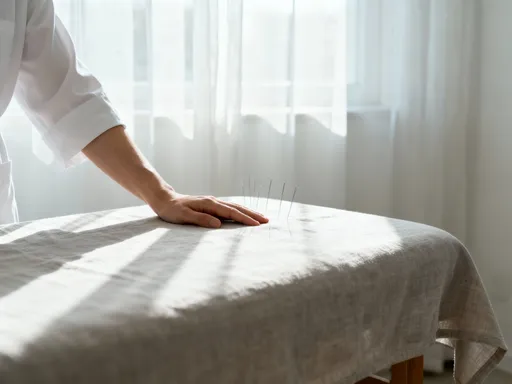
Finding a qualified practitioner was my first priority. I sought out a licensed acupuncturist certified by the National Certification Commission for Acupuncture and Oriental Medicine (NCCAOM), ensuring they had completed rigorous training and passed national exams. My first session began with a detailed conversation about my health history, sleep patterns, digestion, and emotional well-being. This holistic assessment surprised me—no single symptom was viewed in isolation. The actual treatment involved the placement of about a dozen very fine needles, most of which I barely felt. I rested quietly for 30 minutes, listening to soft music, and emerged feeling deeply calm, as if a layer of internal noise had been turned down.
Over time, I noticed subtle but meaningful changes. My sleep became more consistent, my morning stiffness decreased, and I felt less reactive to daily stressors. These weren’t overnight transformations, but gradual shifts that accumulated over weeks. Acupuncture didn’t erase my challenges, but it gave my body a better starting point each day. It became less about fixing a single problem and more about supporting my system as a whole.
Massage Therapy: Not Just Relaxation, But Repair
I used to think of massage as a luxury—something reserved for spa days or special occasions. But therapeutic massage is fundamentally different from a relaxing rubdown. While spa treatments focus on general comfort, clinical massage therapy is goal-oriented, designed to address specific musculoskeletal issues, improve circulation, and release chronic tension stored in the body’s soft tissues. This distinction became clear after my first session with a licensed massage therapist who specialized in myofascial release and deep tissue techniques.
My therapist explained that years of repetitive movements—carrying groceries, leaning over sinks, sitting at the computer—had created patterns of muscle memory. Certain muscles had become overworked and tight, while others had weakened from disuse. This imbalance contributed to poor posture, restricted movement, and joint strain. Through targeted pressure and sustained strokes, massage helps break down adhesions in the fascia (the connective tissue surrounding muscles), restore flexibility, and improve blood flow to areas that had been undernourished. It’s not just about feeling good in the moment; it’s about initiating a physiological process of repair.
I began with monthly sessions, gradually increasing to every three weeks as I noticed improvements in my range of motion and energy levels. The therapist adjusted pressure based on my feedback, focusing on my upper trapezius, lower back, and hips—areas where tension had settled like sediment. After each session, I felt lighter, more aligned, and more aware of my body’s posture. Over several months, I could stand for longer periods while cooking, walk farther without fatigue, and sleep more soundly. These weren’t dramatic breakthroughs, but steady gains that restored confidence in my physical abilities.
What surprised me most was how massage supported my acupuncture treatments. The two modalities worked synergistically—acupuncture calming the nervous system and reducing inflammation, while massage addressed the physical manifestations of stress in the muscles and connective tissues. Together, they created a more comprehensive approach to recovery, one that honored both the internal and external layers of healing.
Health Standards That Actually Matter
We often measure health by numbers—weight, cholesterol, blood pressure—but these metrics don’t always reflect how we feel day to day. True wellness includes qualitative markers that are just as important: the ability to move without pain, to recover quickly from minor exertion, to wake up feeling rested, and to maintain steady energy throughout the day. These are the standards that shape quality of life, especially as we age. Yet many of us accept fatigue, stiffness, and low-grade anxiety as normal, when in fact, they may be signs of imbalance that can be addressed.
Sleep quality, for example, is a powerful indicator of overall health. Poor sleep doesn’t just leave you tired; it impairs immune function, cognitive clarity, and emotional regulation. After several weeks of regular acupuncture, I began sleeping more deeply and waking less frequently during the night. This wasn’t due to sedatives or sleep aids, but to a calmer nervous system that could transition more easily into restorative phases of sleep. Similarly, my recovery time improved—after gardening or a longer walk, I no longer needed two days to ‘bounce back.’ My body was regaining resilience.
Energy consistency became another benchmark. Instead of relying on caffeine to push through afternoon slumps, I found myself maintaining a more even rhythm from morning to evening. This wasn’t about high energy, but sustainable energy—the kind that allows you to engage fully in family life, hobbies, and responsibilities without feeling drained. Both acupuncture and massage contributed to this shift by reducing systemic inflammation, improving circulation, and supporting hormonal balance.
These improvements aligned with holistic health benchmarks recognized by integrative medicine practitioners. Rather than treating isolated symptoms, the focus was on optimizing the body’s innate capacity to regulate, repair, and adapt. This approach doesn’t promise perfection, but progress—measurable, meaningful progress in how you experience your body and mind each day.
Putting It Together: A Sustainable Routine
Integrating acupuncture and massage into my life wasn’t about adding more to an already full schedule, but about rethinking how I cared for myself. I began by scheduling acupuncture every four to six weeks and massage every three to four weeks, adjusting based on how my body responded. During busier or more stressful periods, I leaned in more; during calmer times, I maintained a lighter rhythm. The key was consistency, not intensity.
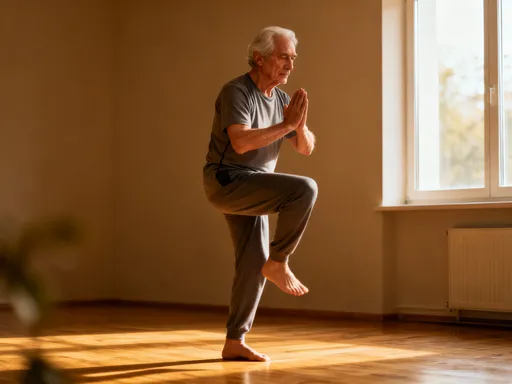
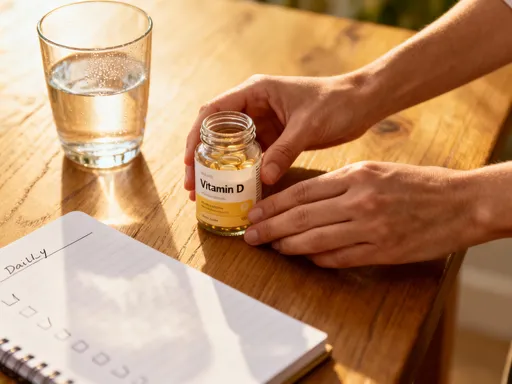
These sessions became anchors in my week, but they were most effective when paired with simple daily habits. Hydration, for instance, made a noticeable difference. Drinking more water helped flush metabolic waste from muscles after massage and supported the body’s natural detoxification processes. I also incorporated mindful movement—short walks, gentle stretching, and tai chi exercises that improved balance and body awareness. These weren’t rigorous workouts, but intentional moments of connection with my physical self.
Rest became a non-negotiable part of the routine. I prioritized sleep by setting a consistent bedtime, reducing screen time in the evening, and creating a calming pre-sleep ritual. I also learned to listen to my body’s signals—when fatigue set in, I allowed myself to rest rather than push through. This wasn’t laziness; it was respect for my body’s need to recover. Over time, these small choices amplified the benefits of my professional treatments, creating a feedback loop of improvement.
The routine wasn’t rigid. There were weeks when scheduling conflicts arose, or when I felt discouraged by slow progress. But I learned that healing isn’t linear. Some weeks brought noticeable changes; others felt stagnant. The important thing was showing up, even when motivation wavered. This approach taught me patience and self-compassion, qualities that extended beyond physical health into other areas of life.
Missteps, Myths, and What I Wish I Knew
My journey wasn’t without missteps. Early on, I tried to accelerate results by scheduling too many sessions too close together. I assumed more was better, but my body responded with increased soreness and fatigue. I learned that rest between treatments is essential—the body needs time to integrate the changes. I also made the mistake of seeing a practitioner who lacked proper credentials, resulting in a session that left me more tense than before. These experiences taught me the importance of patience and due diligence in choosing qualified professionals.
I also encountered persistent myths that almost deterred me. Some people dismissed acupuncture as placebo, claiming it only works if you ‘believe in it.’ But research from institutions like the Mayo Clinic and Harvard Medical School has shown measurable physiological effects, including changes in brain activity and pain modulation. Others believed massage was only for relaxation or acute injury, not for long-term wellness. In reality, regular therapeutic massage can prevent injury, improve posture, and support chronic condition management when used appropriately.
Perhaps the most important lesson was knowing when to seek medical care versus complementary therapy. I never used acupuncture or massage to replace diagnosis or treatment for medical conditions. Instead, I viewed them as supportive tools within a broader health strategy. I always informed my primary care provider about the therapies I was using, ensuring they were part of a coordinated approach. This balance between self-care and professional oversight became the foundation of my progress.
Beyond the Body: Mental Clarity and Daily Resilience
One of the most unexpected benefits was the impact on my mental and emotional well-being. As physical tension eased, I noticed a corresponding reduction in mental clutter. My thoughts felt clearer, my focus sharper. Tasks that once felt overwhelming became more manageable. I attributed this not to any single session, but to the cumulative effect of reduced stress hormones, improved sleep, and greater body awareness.
Anxiety, which I had quietly carried for years, began to loosen its grip. I didn’t eliminate stress from my life—family, finances, and aging parents still brought challenges—but my response to stress changed. I reacted less intensely, recovered more quickly. This emotional stability wasn’t achieved through willpower, but through physiological shifts supported by consistent care. The body and mind are deeply interconnected; when one improves, the other often follows.
Long-term wellness, I realized, isn’t about achieving perfection. It’s about building resilience through small, sustainable choices. It’s about showing up for yourself day after day, even when progress feels slow. It’s about listening to your body, honoring its pace, and respecting its need for balance. This journey didn’t transform me into someone else; it helped me return to a version of myself that had been buried under years of neglect.
Healing is not a destination, but a practice. It’s found in the quiet moments—the deep breath after a session, the ease of movement in the morning, the ability to laugh freely with loved ones without wincing in pain. It’s not loud or dramatic, but steady and real. If you’re tired of temporary fixes, consider the power of consistency, professional care, and self-awareness. Always consult licensed practitioners, but don’t underestimate the profound impact of touch, balance, and simply paying attention. Your body knows what it needs. The hardest part is learning to listen.