Time Stops for No One — But What If You Could Slow It Down?
Aging isn’t just about wrinkles or gray hair — it’s happening beneath the surface, in every cell of your body. While we can’t stop time, science shows we can influence how we age. The real game-changer? Daily habits that support long-term body maintenance. From energy levels to mobility, what you do now shapes how you’ll feel years from today. This isn’t about chasing youth — it’s about staying strong, healthy, and vibrant. By understanding the biology of aging and making consistent, mindful choices, you can help your body function with greater resilience, clarity, and strength well into the future.
The Hidden Clock Inside You: Understanding Biological Aging
Everyone knows their chronological age — the number of birthdays they’ve celebrated. But another, more meaningful number exists: biological age. Think of it as your body’s software update schedule. Two people can be 55 years old on paper, yet one may have the energy, strength, and health markers of someone ten years younger. This difference comes down to how well their cells are functioning. Biological aging measures the condition of your body at a cellular level, influenced by factors like DNA repair, inflammation, and how efficiently your cells produce energy.
At the core of this process are tiny structures within your cells — mitochondria, often called the powerhouses of the cell. They generate the energy your body needs to move, think, and repair itself. Over time, if not properly maintained, these powerhouses become less efficient, leading to fatigue, slower recovery, and increased vulnerability to chronic conditions. Similarly, chronic inflammation — a quiet, ongoing response to stress, poor diet, or inactivity — can damage tissues and accelerate aging without obvious symptoms. These internal shifts happen gradually, which is why many people don’t notice them until they begin to feel less like themselves.
The encouraging news is that biological aging is not fixed. Unlike chronological age, which ticks forward at a steady pace, biological age can be influenced. Research in the field of epigenetics — the study of how behaviors and environment affect gene expression — shows that lifestyle choices play a powerful role. What you eat, how you move, how well you sleep, and how you manage stress all send signals to your cells. These signals can either support repair and renewal or contribute to wear and tear. This means that even small, daily decisions have a cumulative effect on how your body ages from the inside out.
Move It or Lose It: Why Movement Is Anti-Aging Fuel
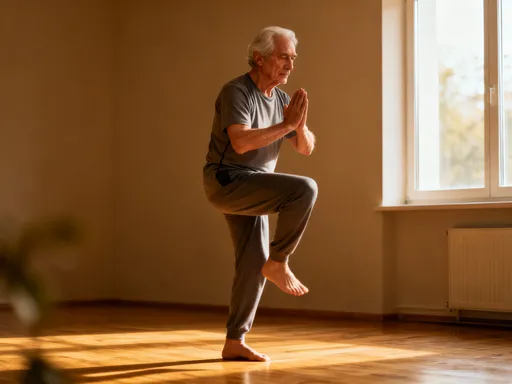
Physical activity is one of the most effective tools for slowing biological aging, yet it’s often misunderstood. Many believe that to benefit, they must engage in intense workouts or spend hours at the gym. The truth is far more accessible: regular, moderate movement is what truly matters. Walking, climbing stairs, gardening, or carrying groceries — these everyday actions keep joints lubricated, muscles strong, and circulation robust. Over time, they help preserve independence, balance, and overall vitality. Movement isn’t just about fitness; it’s a form of ongoing body maintenance.
One of the most powerful benefits of consistent physical activity is its effect on muscle mass. After age 30, adults can lose 3% to 5% of their muscle each decade, a condition known as sarcopenia. This loss affects metabolism, posture, and the ability to perform daily tasks. Strength training — even with light resistance or body weight — signals the body to maintain and build muscle. Just two sessions per week can make a meaningful difference. Simple exercises like seated leg lifts, wall push-ups, or using resistance bands at home can be effective and sustainable, especially for those new to fitness.
Beyond muscle, movement supports cellular health. Exercise stimulates a process called autophagy — the body’s way of cleaning out damaged cells and regenerating new ones. It’s like a built-in recycling system that keeps tissues functioning efficiently. Physical activity also reduces systemic inflammation, improves insulin sensitivity, and enhances cardiovascular health. These internal changes may not be visible, but they are foundational to long-term well-being. Whether it’s a 20-minute walk after dinner or a weekly yoga class, the goal is consistency, not intensity. When movement becomes a natural part of daily life, it transforms from a chore into a form of self-care that pays dividends for decades.
Eat Like You Want to Last: Nutrition That Supports Longevity
Nutrition is a cornerstone of healthy aging, yet it doesn’t require drastic diets or expensive supplements. The most powerful approach is also the simplest: eating whole, minimally processed foods that provide the body with the nutrients it needs to repair and renew. Think of your diet as daily maintenance for a finely tuned machine. High-quality fuel leads to smoother operation, fewer breakdowns, and longer life. Focusing on nutrient-dense foods — vegetables, fruits, whole grains, legumes, nuts, seeds, and lean proteins — supports energy, immunity, and cellular health.
One of the key enemies of healthy aging is oxidative stress — an imbalance between free radicals and antioxidants in the body. Free radicals are natural byproducts of metabolism, but when they accumulate, they can damage cells and DNA. Antioxidants, found abundantly in colorful fruits and vegetables, help neutralize these compounds. Berries, spinach, sweet potatoes, and dark chocolate are all rich in antioxidants. Including a variety of these foods in your daily meals helps protect against cellular damage and supports long-term resilience. Rather than focusing on single “superfoods,” aim for diversity on your plate — each color and texture brings different protective compounds.
Balancing blood sugar is another critical factor. Spikes and crashes in glucose levels can lead to fatigue, mood swings, and increased risk of insulin resistance over time. Choosing complex carbohydrates — like oats, quinoa, and beans — along with healthy fats and protein helps stabilize energy throughout the day. For example, pairing an apple with almond butter or eating brown rice with grilled fish and broccoli creates balanced meals that sustain fullness and mental clarity. Staying hydrated is equally important; water supports digestion, circulation, and skin elasticity. Herbal teas, broths, and water-rich foods like cucumbers and melons also contribute to daily fluid intake.
Sleep: Your Body’s Nightly Tune-Up
Sleep is not downtime — it’s essential repair time. During deep sleep, the body undertakes critical maintenance: repairing tissues, balancing hormones, consolidating memories, and clearing metabolic waste from the brain. This nightly reset is vital for both physical and mental health. When sleep is disrupted or insufficient, these processes are compromised, leading to a cascade of effects — lower energy, slower recovery, weakened immunity, and even accelerated biological aging. Studies have shown that chronic poor sleep is linked to shorter telomeres, the protective caps on the ends of chromosomes that shorten with age.
Many adults, especially women in midlife, struggle with sleep due to hormonal changes, stress, or lifestyle habits. Waking frequently, difficulty falling asleep, or not feeling rested upon waking are common concerns. The good news is that sleep quality can be improved with simple, consistent practices. Creating a sleep-supportive environment is a key first step. This includes keeping the bedroom cool, dark, and quiet, and reserving the bed for sleep and intimacy only — not for watching TV or scrolling through devices. Using blackout curtains, earplugs, or a white noise machine can make a noticeable difference for light sleepers.
Equally important is establishing a regular sleep routine. Going to bed and waking up at the same time every day — even on weekends — helps regulate the body’s internal clock. A calming pre-sleep ritual, such as reading a book, taking a warm bath, or practicing gentle stretching, signals to the body that it’s time to wind down. Limiting screen exposure at least one hour before bed reduces blue light, which can suppress melatonin, the hormone that promotes sleep. Caffeine and heavy meals should also be avoided in the evening. When these habits are practiced consistently, they create a foundation for deeper, more restorative sleep — a nightly investment in long-term health.
Stress Less, Age Better: Managing the Invisible Accelerator
Stress is an unavoidable part of life, but how you respond to it can have a profound impact on how you age. Chronic stress — the kind that lingers from ongoing responsibilities, financial concerns, or emotional strain — activates the body’s fight-or-flight response on a near-constant basis. This leads to elevated levels of cortisol, the primary stress hormone. Over time, high cortisol can contribute to weight gain, especially around the abdomen, disrupt sleep, weaken immunity, and accelerate cellular aging. It’s one of the most underrecognized yet powerful accelerators of biological decline.
The good news is that the nervous system can be retrained. Simple, daily practices can help shift the body from a state of stress to one of calm and restoration. Mindfulness — the act of paying attention to the present moment without judgment — has been shown to reduce cortisol levels and improve emotional regulation. It doesn’t require meditation for hours; even five minutes of focused breathing can make a difference. Try inhaling slowly for four counts, holding for four, and exhaling for six. This pattern activates the parasympathetic nervous system, which promotes relaxation and recovery.
Other effective tools include journaling, spending time in nature, or engaging in creative activities like knitting or painting. These practices provide mental breaks and help process emotions in a healthy way. Even short pauses during the day — stepping outside for fresh air, pausing before responding to a stressful message, or sipping tea mindfully — can interrupt the stress cycle. Over time, these small resets accumulate, helping to preserve mental clarity, emotional balance, and physical health. Aging well isn’t just about what you do for your body — it’s also about how you care for your mind.
Hydration, Posture, and Other Quiet Heroes of Body Maintenance
Some of the most impactful habits for healthy aging are also the most overlooked. Hydration, for example, is fundamental yet often neglected. Water is involved in nearly every bodily function — from regulating temperature and transporting nutrients to cushioning joints and supporting skin health. Even mild dehydration can lead to fatigue, headaches, and reduced cognitive function. As people age, the sensation of thirst may diminish, making it even more important to drink water regularly throughout the day. Carrying a reusable water bottle, setting reminders, or infusing water with lemon or cucumber can help make hydration a consistent habit.
Posture is another silent influencer of long-term health. Poor posture — slouching at a desk, looking down at a phone, or standing with uneven weight distribution — places strain on the spine, muscles, and joints. Over time, this can lead to chronic pain, reduced mobility, and even impaired breathing. The spine is designed to support the body in alignment, and maintaining that alignment helps preserve flexibility and function. Simple adjustments, like sitting with feet flat on the floor, keeping shoulders relaxed, and positioning screens at eye level, can reduce strain. Standing up and stretching every 30 to 60 minutes also prevents stiffness and supports circulation.
Other quiet habits include taking eye breaks during screen time, managing indoor temperature to avoid overheating or overcooling, and wearing supportive footwear. These small choices may seem minor, but they contribute to overall comfort and function. For example, resting your eyes every 20 minutes by looking at something 20 feet away for 20 seconds — the 20-20-20 rule — can reduce eye strain and maintain visual comfort. Similarly, keeping your home at a comfortable temperature helps regulate metabolism and supports restful sleep. When practiced daily, these habits form a protective layer around your health, reducing wear and tear and helping you feel more at ease in your body.
Consistency Over Intensity: Building Habits That Stick
The secret to aging well isn’t found in extreme measures or quick fixes — it lies in consistency. Small, repeated actions compound over time, creating lasting change. A 15-minute walk most days of the week does more for long-term health than an intense workout once a month. Eating a serving of vegetables with dinner every night has a greater cumulative impact than a short-term detox. The goal isn’t perfection; it’s showing up for your body, day after day, with kindness and commitment. This approach is sustainable, realistic, and deeply empowering.
One of the most effective ways to build lasting habits is through habit stacking — linking a new behavior to an existing one. For example, after brushing your teeth in the morning, step outside for three deep breaths of fresh air. Or, after pouring your morning coffee, take a moment to stretch your arms overhead. These tiny rituals anchor new habits into your routine without requiring extra time or willpower. Environment design also plays a key role. Keeping healthy snacks visible, placing walking shoes by the door, or setting out workout clothes the night before makes it easier to follow through.
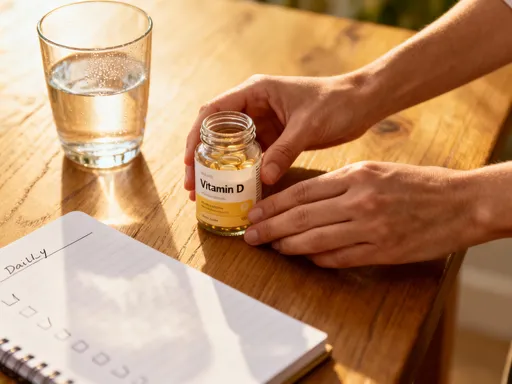
Tracking progress can also reinforce motivation. This doesn’t require complex apps or journals — a simple checkmark on a calendar for each day you complete a walk or drink enough water can provide a sense of accomplishment. The key is to focus on effort, not outcomes. How you feel — more energy, better sleep, improved mood — is the real measure of success. Aging is inevitable, but how you age is not entirely out of your hands. By making mindful choices today, you invest in a future where you remain strong, capable, and fully engaged in the life you’ve built. Time may not stop, but with the right habits, it can move a little more gently.