Tracked 12 Family Stories Over 3 Months: How We Organized Memories Without the Chaos
Have you ever tried to capture a family story, only to end up with voice notes scattered across phones, photos buried in albums, and names you can no longer match to faces? I felt that frustration too—until we started recording our family’s memories with a simple system that actually worked. It wasn’t about fancy tech; it was about making space for what matters. We didn’t need the latest gadget or a complicated app. What we needed was a way to keep our stories from slipping away like sand through our fingers. And over three months, by tracking 12 meaningful family stories, we found a method that brought clarity, connection, and even a little joy. This is how we turned chaos into something beautiful—something lasting—using tools we already had in our pockets.
The Moment We Realized Our Stories Were Slipping Away
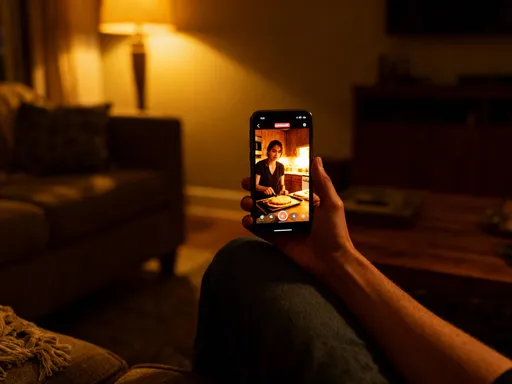
It started on a quiet Sunday evening, the kind where everyone’s full from dinner and the kids are finally still. My niece, who’s nine and full of big questions, looked up from her coloring book and said, 'Who was Grandpa’s favorite singer?' We all paused. My sister shrugged. My mom stared into the middle distance like she was trying to pull a memory out of thin air. I checked my phone—surely there was something in the notes or a voice memo from that interview I did last summer? Nothing. We had pictures of Grandpa with his old record player, yes. We had the actual records, even. But we didn’t have the story. Not really. We didn’t have his voice saying, 'This song always reminded me of your grandma dancing in the kitchen.'
That moment hit me hard. It wasn’t just about a singer. It was about all the little things we were losing—the laughter behind the inside jokes, the reason Uncle Joe never ate turkey, the story behind the scar on Dad’s hand. These weren’t just facts. They were the emotional texture of our family. The context. The warmth. And they were disappearing, not with a bang, but with silence. We had boxes of photos, shoeboxes of letters, and dozens of videos on old phones. But without organization, without intention, those memories were practically invisible. We realized then: if we didn’t do something soon, the next generation wouldn’t just miss the stories—they’d miss the feeling of being connected to something bigger than themselves.
That night, I made a promise to myself. Not to save every memory—but to save the ones that mattered. The ones that carried emotion, identity, and meaning. And I knew technology could help, but only if we used it wisely. Not as a dumping ground, but as a living archive. A place where stories could be found, shared, and felt—again and again.
Why Recording Family Stories Is More Than Just Saving Memories
At first, I thought this was just about preserving the past. A little nostalgia. A way to look back and smile. But what I didn’t expect was how deeply it would impact our present. Recording family stories turned out to be one of the most powerful things we’ve done for our emotional well-being and family connection. It’s not just about remembering names and dates—it’s about understanding who we are and where we come from. When my teenage cousin heard how her grandmother worked two jobs to put herself through nursing school, she didn’t just learn a fact. She gained a model of resilience. She saw that struggle doesn’t have to mean defeat. That story gave her strength during a tough time at school.
And it’s not just for the younger ones. My mom, who’s in her late 60s, started opening up in ways she never had before. When we asked her about her first home after moving to the U.S., she shared not just the address or the year, but the fear, the loneliness, and the small victories—like the day she finally figured out how the oven worked. She said, 'I never realized how much I’d forgotten until I started talking.' There was a quiet pride in her voice. A sense of being seen. That’s the thing about storytelling: it’s not just preservation. It’s validation. It tells the person sharing, 'Your life matters. Your experience counts.'
Studies have shown that children who know more about their family history tend to have higher self-esteem and emotional resilience. They feel rooted. They understand that challenges are part of a larger story. But you don’t need research to feel this truth. You feel it when your nephew laughs at the story of how Uncle Dave got stuck in a tree trying to rescue a cat. You feel it when your daughter asks to hear 'the one about Mom’s first car' for the third time. These moments build empathy, curiosity, and a sense of belonging. They turn family into a living, breathing story—one that everyone can be part of.
The Real Challenge Wasn’t Recording—It Was Staying Organized
So we started recording. Voice memos after dinner. Typed notes on my phone while my sister talked. Old videos digitized from dusty camcorders. We were excited. We were motivated. And within three weeks, it was a mess. I had a voice note labeled 'Family thing – Mom talking?' stored in my personal cloud, a text file called 'random story.doc' on my laptop, and a video in a folder named 'misc old stuff' that I couldn’t even remember what it was about. My brother-in-law tried to help by creating a shared drive, but it quickly became a digital junk drawer—full of good intentions but impossible to navigate.
Here’s what I learned: the problem wasn’t capturing the stories. It was finding them later. Was the story about the family bakery stored under 'Dad,' 'Work,' or 'Italy Trip'? Was the clip of Grandma talking about her wedding in the 'Voice Memos' app or the 'Family History' folder that hadn’t been updated in two months? Without a system, we were just creating more clutter. And when something feels like work, people stop doing it. Our monthly calls started skipping. The kids lost interest. The momentum faded.
That’s when I realized: organization isn’t the boring part. It’s the essential part. If we wanted this to last, we needed a way to make it easy—effortless, even. We needed structure, but not rigidity. Simplicity, but not sloppiness. We needed a system that respected our time and our emotions. Something that didn’t require tech expertise, just consistency. And most importantly, it had to be something everyone in the family could use, even my 70-year-old aunt who still thinks 'the cloud' is something in the sky.
How We Built a Simple System Using Everyday Tech
We didn’t buy anything. No special software, no subscription, no new devices. We used what we already had: smartphones, email, cloud storage (we used Google Drive, but iCloud or Dropbox would work just as well), and a basic spreadsheet. The key wasn’t the tools—it was how we used them. We created a shared family folder in the cloud, and inside, we made subfolders for each person—Mom, Dad, Aunt Clara, Uncle Joe, and so on. Then, for each story, we used a consistent naming system: Person_Category_Topic. For example: 'Mom_LifeLesson_MovingCities' or 'Grandpa_Humor_ChurchPicnicFail'.
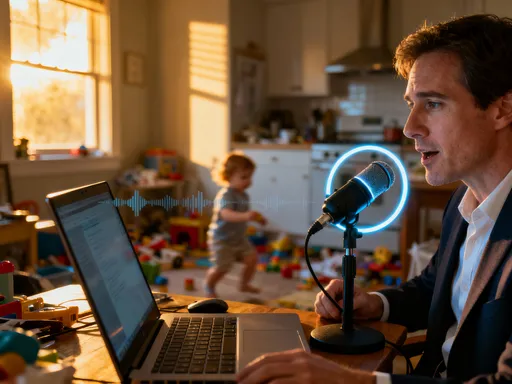
When someone recorded a voice memo, they saved it with that naming convention and dropped it into the right folder. We kept recordings short—under five minutes—so they felt manageable. No pressure to tell the whole life story at once. Just one moment. One memory. One feeling. We also created a simple Google Sheet to track everything. Columns included: Name of Storyteller, Date Recorded, Topic, Keywords, and File Name. This made it easy to search later. Want to find all the stories about immigration? Filter by keyword. Looking for something uplifting to share at a tough time? Sort by 'Theme: Resilience' or 'Mood: Joy'.
The beauty of this system was its flexibility. You didn’t need to be tech-savvy. You didn’t need to do it perfectly. If someone saved a file with a messy name, no problem—we’d fix it later. The goal wasn’t control. It was accessibility. It was about making sure that when my niece asks, 'What was Grandpa’s favorite singer?' ten years from now, we can pull up the file in seconds and hear his voice say, 'Elvis, every Saturday morning, loud enough to wake the neighbors.' That’s not just data. That’s love. That’s presence. And we built it with tools we already trusted and used every day.
Turning Story Collection into a Family Ritual
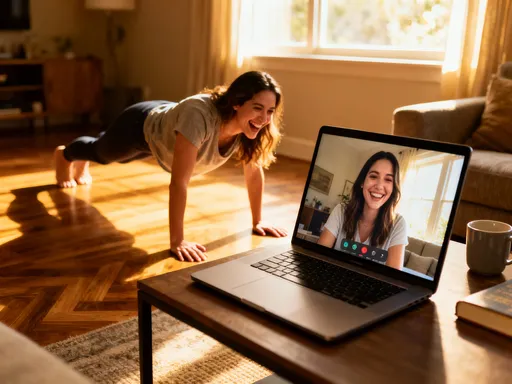
At first, we treated this like a project. 'Let’s record a story this week!' But projects get dropped. Rituals stick. So we shifted our mindset. Instead of assigning tasks, we made storytelling part of our monthly family Zoom call. Every first Sunday, we’d pick a theme: 'First Jobs,' 'Biggest Mistakes,' 'Lessons from Hard Times,' 'Favorite Holiday Traditions.' We’d go around the virtual room, and whoever wanted to share could speak for three to five minutes. We’d hit record on a voice memo or video, save it with the naming system, and drop it in the folder afterward.
Something magical happened. The kids started looking forward to it. My 12-year-old nephew began asking, 'What’s next month’s theme?' My quiet cousin, who rarely spoke up in group settings, shared a beautiful story about learning to knit from her grandmother. She said, 'I never thought anyone would want to hear this.' But they did. We all did. And when we listened back later, there was a warmth in the room—even over a screen. These weren’t performances. They were moments of real connection. The tech helped us capture it, but the ritual made it meaningful.
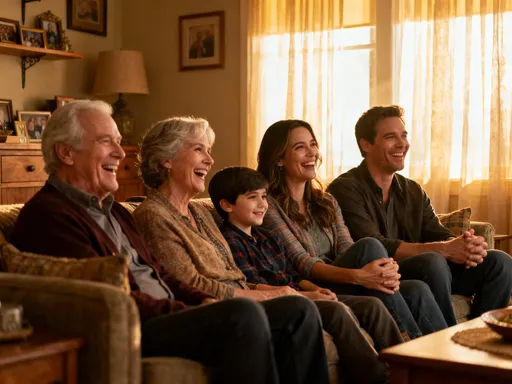
We also started playing back old stories during holidays or tough times. When my dad was recovering from surgery, we listened to a recording of him telling a funny story from his youth. It lifted his spirits. It reminded us all of his strength and humor. The system wasn’t just about the future. It was enriching our present. And over time, the act of sharing became its own reward. People didn’t do it because they had to. They did it because it felt good. Because they felt heard. Because they were part of something that mattered.
The Unexpected Gains: Clarity, Confidence, and Closer Bonds
I thought the goal was to save stories. But what we really gained was something deeper. My teenage cousin started journaling her own experiences, saying, 'If Grandma’s stories are important, maybe mine are too.' That hit me in the heart. This wasn’t just about the past. It was about empowering the next generation to value their own lives. My mom, who used to downplay her experiences, now speaks with more confidence. She’ll say, 'Let me tell you how we did it back then,' and you can see the pride in her eyes. She feels valued. Seen. Important.
And us? We’ve become better listeners. We ask more questions. We pause. We pay attention. We’re not just waiting for our turn to talk—we’re truly hearing each other. That has spilled over into other parts of our relationships. We argue less. We understand more. We feel closer. One of my aunts said, 'I never realized how much I didn’t know about my own siblings until we started sharing these stories.' That’s the power of intentional storytelling. It doesn’t just preserve history—it transforms the present.
There’s also a quiet sense of purpose that’s grown in our family. We’re not just passing time. We’re building something. A legacy of voice, emotion, and truth. And when life feels overwhelming—when the news is loud and the world feels heavy—coming back to these stories grounds us. They remind us of who we are. Of the love that’s always been there. Of the strength that runs in our blood. That’s not just memory keeping. That’s emotional anchoring.
How You Can Start Small and Keep It Going
You don’t need to track 12 stories in three months. You don’t need a spreadsheet or a shared drive right away. You just need to begin. Pick one person. One story. Use your phone. Hit record. Let them talk for three minutes about something that mattered to them. Save the file with a clear name—like 'Dad_Strength_StartingOver.' Put it in a folder called 'Family Stories.' That’s it. You’ve started.
The key is consistency, not perfection. Do it once a month. Make it part of a call, a visit, a holiday. Keep it simple. Keep it human. If you forget to record, that’s okay. If the audio is fuzzy, that’s okay. The voice, the emotion, the truth—that’s what matters. Over time, you’ll have more. And one day, someone will ask, 'What was Grandpa’s favorite singer?'—and you’ll be able to answer. Not with a guess. But with a voice. With a memory. With love.
This isn’t about technology. It’s about intention. It’s about saying, 'You matter. Your life matters. And I want to remember it.' In a world that moves too fast, this is a radical act of care. So start small. Start today. Because every story you save isn’t just a memory preserved. It’s a piece of your family’s heart, kept safe—for now, and for always.