From Chaos to Calm: How One Simple Setting Transformed Our Family’s Health and Harmony
Living in a constant whirl of meal debates, forgotten groceries, and energy bills that felt too high? I was there too—juggling work, kids, and dinners that often ended in takeout. Then we made one small tech tweak most people overlook. It didn’t just cut our electricity use—it reshaped how we plan meals, eat together, and actually *enjoy* family time. This isn’t about fancy gadgets. It’s how a quiet setting on our devices quietly changed everything.
The Dinner Dilemma: When Family Meals Feel Like a Battle
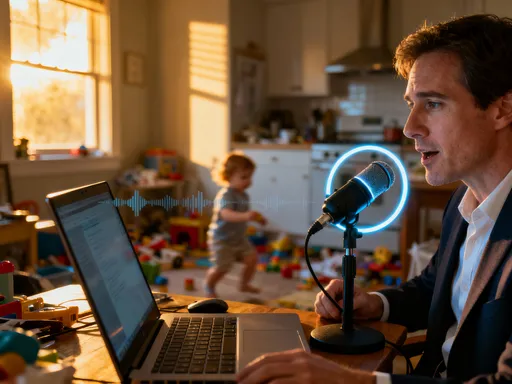
Picture this: it’s 6 p.m., and the kitchen is already a war zone. One child wants pasta, another insists on tacos, and your partner quietly suggests pizza—again. The fridge is half-empty, the pantry’s been picked over, and you’re standing there, phone in hand, scrolling through delivery apps because no one can agree on what to cook. We’ve all been there. And it’s not just about hunger or convenience. It’s about how disconnected everything feels. Without a plan, dinner becomes a daily stress test—emotional, logistical, and yes, even financial.
I used to think the problem was time. Or energy. Or maybe just too many picky eaters under one roof. But what I realized was deeper: our family wasn’t out of sync because we were busy. We were busy because we were out of sync. Every person operated on their own rhythm, making separate choices, using separate appliances, eating at separate times. That meant the oven was on for one person’s frozen meal while the microwave heated up something else, and the toaster oven ran for a third. Three different meals. Three different appliances. One soaring electricity bill. And zero shared moments.
The emotional cost was just as real. When dinner feels like a negotiation, it’s hard to enjoy it as a connection. We weren’t just wasting food and power—we were missing each other. And the worst part? I kept thinking we needed a better meal planning app, a smarter fridge, or some high-tech kitchen gadget to fix it. But the real solution wasn’t something we had to buy. It was something we already had—right in our pockets, on our nightstands, in our hands. We just had to use it differently.
The Hidden Power of Energy-Saving Mode
Let me ask you: when was the last time you really noticed your phone’s energy-saving mode? Most of us turn it on only when the battery hits 10% and we’re panicking about making it through the afternoon. We see it as a survival tool, not a lifestyle choice. But what if I told you that flipping that switch—early, intentionally, and consistently—could do more than just keep your screen alive? What if it could actually help your family breathe easier, eat better, and talk more?
Here’s what changed for us: once we started using energy-saving mode as a daily habit, not just an emergency backup, everything slowed down. Background apps stopped refreshing every few seconds. Notifications dimmed. The constant buzz and ping of updates faded into the background. And something unexpected happened—we started paying more attention to each other. Without the pull of endless scrolling, my daughter actually looked up from her tablet during dinner prep. My husband stopped checking work emails between chopping vegetables. We weren’t just saving battery life. We were reclaiming mental space.
And that mental space? That’s where the real magic began. With fewer distractions, we had room to think ahead. To ask, “What should we make tomorrow?” instead of scrambling at 5:30 p.m. To look at each other and say, “I noticed you’ve been eating a lot of snacks after school—want to help me plan something filling for lunch?” Energy-saving mode didn’t give us answers. It gave us the calm to find them ourselves. It wasn’t about limiting technology. It was about using it to create space for what matters—like knowing, for once, that dinner wasn’t going to be a battle.
How Less Charging Time Led to More Family Time
One of the most surprising side effects of switching to energy-saving mode was how much less we had to charge our devices. My phone used to die by mid-afternoon. My daughter’s tablet needed a top-up after two hours of use. We had chargers plugged in everywhere—on the kitchen counter, the coffee table, the bathroom sink. And every evening, without fail, there was a quiet tug-of-war over who got access to the outlet near the couch.
But once energy-saving mode became our default, devices lasted longer. My phone made it to bedtime without a second charge. The kids could use their tablets after school and still have power for a family movie night. And something small but powerful shifted: we stopped gathering around outlets. Instead, we started gathering around the kitchen island. The time we used to spend waiting for devices to charge? We spent it talking. Chopping vegetables. Laughing over a failed attempt at homemade guacamole. Planning the next day’s meals.
I didn’t realize how much physical space charging cords took up—until they weren’t in the way anymore. But more importantly, I realized how much emotional space they were taking up too. The constant need to plug in created a low-level anxiety. What if the battery dies? What if I miss a call? What if the kids can’t finish their homework? Energy-saving mode didn’t eliminate those concerns, but it reduced their urgency. And in that reduction, we found freedom. Freedom to be present. Freedom to cook together. Freedom to just *be* together, without the pressure of a blinking battery icon reminding us we were running on empty.
Syncing Schedules to Save Energy—and Sanity
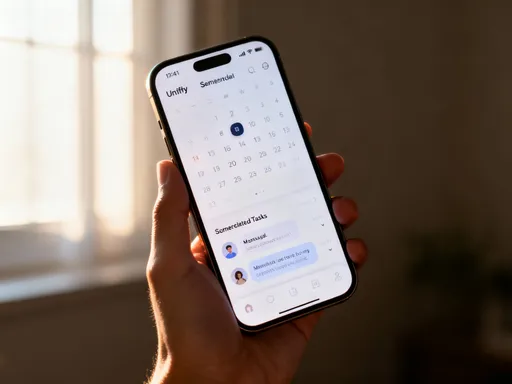
Here’s a truth I didn’t expect: when our devices used less power, we started using them more intentionally. And that intentionality spilled over into how we planned our days. We dusted off our shared family calendar—something we’d downloaded years ago but rarely used—and started updating it *in low-power mode*. No flashy alerts, no pop-ups, just a simple, clear view of who had practice, who was on cooking duty, and when the grocery run was scheduled.
At first, it felt a little silly. Just a basic calendar? How could that possibly save energy? But here’s what happened: because everyone could see the plan—even on a dimmed screen—we stopped making last-minute decisions. No more “I didn’t know it was my turn to cook” or “I thought you were buying milk.” We stopped buying duplicates because two people thought the other had gone to the store. We stopped tossing wilted greens because no one remembered they were in the fridge. The calendar didn’t just organize our time. It reduced waste—of food, of energy, of patience.
And because we were using it on devices in energy-saving mode, we weren’t distracted by unrelated notifications while checking it. We opened the calendar with purpose. We updated it together. We even started color-coding meals: blue for leftovers, green for veggie-heavy, yellow for quick fixes. It became a shared language. A quiet agreement that we were all in this together. The best part? It ran on a system that didn’t drain our devices—or our energy. We weren’t fighting to keep up. We were moving in rhythm.
Smarter Meal Prep, Lower Energy Use
One of the biggest energy drains in any home isn’t the TV or the washing machine. It’s the kitchen. And not because of one big appliance—but because of how we use them. Cooking three separate meals in three different ways means the oven heats up three times. The microwave runs constantly. The stovetop stays on longer. Each time the fridge door opens, cold air escapes. Multiply that by a week, a month, a year—and you’re not just using more electricity. You’re creating more stress.
But once we had a shared meal plan—visible on our low-power devices—we started cooking smarter. We batched meals. Instead of making chicken one night, chili the next, and stir-fry the third, we cooked larger portions and planned for leftovers. The oven ran once, not three times. The slow cooker did its work while we were at school or work. And because we could see the plan on our calendars, leftovers weren’t a chore—they were expected. We even started labeling containers with little notes: “Tuesday’s soup!” or “Save for lunch!”
Something else changed: we opened the fridge less. No more standing there, staring into the cold air, trying to remember what we had. Because the meal plan was on our phones—dimmed, but clear—we knew exactly what to grab. Fewer door openings meant the fridge didn’t have to work as hard. And that meant lower energy use. It wasn’t a dramatic overhaul. No solar panels. No smart fridge upgrade. Just small, consistent choices—guided by a simple tech setting—that added up to real savings. On our bill. On our time. On our stress.
A Shared Rhythm: How Tech Helped Us Eat Better Together
Here’s what surprised me most: as the noise from our devices faded, the noise in our home changed too. Not less sound—more meaningful sound. Laughter. Questions. “Can I help?” “What’s for dessert?” We started noticing things we’d missed before. Like how my younger daughter always seemed hungry after dance class. Or how my husband skipped lunch when he was deep in work. Or how I was defaulting to carbs because I was too tired to cook anything else.
With less digital distraction, we became more aware of each other’s needs. And that awareness shaped our meals. We started packing post-dance snacks. We scheduled a real lunch break for my husband. I began prepping quick, balanced meals on Sunday evenings—when I had energy—so I wouldn’t face a blank fridge on Wednesday. None of this was enforced by an app. No alerts. No tracking. Just presence. And presence, it turns out, is the best nutrition coach.
Our kids started joining dinner conversations—really joining. Not just eating while scrolling, but asking questions, sharing stories, even offering to set the table. We weren’t perfect. Some nights were still rushed. Some meals were still simple. But the tone had shifted. Dinner wasn’t a transaction anymore. It was a connection. And that connection made us more mindful of what we were eating—not because we were counting calories, but because we cared. We wanted to feel good together. And that desire, nurtured by calm and clarity, led to better choices—naturally.
The Quiet Upgrade That Changed Everything
Looking back, I can’t believe how much changed because of one simple setting. We didn’t buy a new kitchen. We didn’t hire a meal planner. We didn’t overhaul our routines with complicated systems. We just turned on energy-saving mode—and treated it as a signal. A signal to slow down. To pay attention. To choose connection over chaos.
This isn’t about technology fixing our lives. It’s about technology stepping back so we can step forward. When our devices stopped demanding our attention every few minutes, we had more to give to each other. When our screens dimmed, our home brightened. We saved energy—not just in kilowatts, but in emotional reserves. We reduced waste—not just of food, but of time and tension. And we found something we didn’t even know we were missing: rhythm.
Our family still has busy days. We still have nights when dinner isn’t perfect. But now, even in the mess, there’s a sense of alignment. We’re not just sharing a roof. We’re sharing a life. And that shift—from constant reaction to intentional living—started with a setting most of us ignore. So tonight, try it. Turn on energy-saving mode—not just to save battery, but to save space. Space for conversation. For calm. For connection. You might be surprised how much a little less tech can give you a lot more life.