It’s Not Just About Driving: How Behavior Tools Help Me Stay Calmer, Safer, and in Control Every Day
Have you ever noticed how your mood affects your steering? Or how a stressful day can turn a simple commute into a tense ride? I didn’t either—until small tech quietly started watching my drives and gently helping me improve. It’s not about being perfect on the road; it’s about feeling safer, more aware, and surprisingly, more at peace. This is how driving behavior analysis quietly changed my daily life. What began as a curiosity—something my insurance company offered—became a mirror into my habits, my reactions, and even my emotional patterns. I didn’t expect it to reshape how I move through the world, but it did. And the best part? It didn’t demand anything dramatic. Just small shifts. Gentle feedback. And the space to grow.
The Morning Rush That Used to Stress Me Out
There was a time when my mornings felt like a race I never signed up for. Alarm blares, kids half-dressed, toast burning, and me already calculating how many minutes I could shave off the school drop-off if I took the shortcut through traffic. I’d climb into the car with my coffee in one hand and my phone in the other, heart already racing before the engine even turned over. The drive used to feel like an extension of the chaos—braking too hard at yellow lights, accelerating fast when the light turned green, tense shoulders, jaw clenched. I thought that was just how mornings were. That’s what busy life looked like, right?
Then one day, after a particularly sharp stop that made my coffee slosh over the lid, my car gave me a quiet nudge. Not a scolding, not a red alert—just a soft chime and a message on the dashboard: “Smooth braking detected in 80% of stops today.” I blinked. That was it? No judgment. No penalty. Just… feedback. But it stopped me in my tracks more than any traffic cop ever could. For the first time, I realized my driving wasn’t just about getting from one place to another. It was a reflection of how I was feeling. My grip on the wheel mirrored my grip on the day. And if I was this tense behind the wheel, what kind of energy was I bringing into my home, my classroom, my conversations?
That moment didn’t fix everything overnight. But it sparked a curiosity. What else was my car noticing? And more importantly, what could I learn from it? I started paying attention—not just to the road, but to how I moved on it. Was I rushing because I had to, or because I’d trained myself to? Was I reacting to traffic, or projecting my own stress onto it? The answers weren’t always comfortable, but they were real. And for the first time, I felt like I had a tool that wasn’t trying to catch me doing something wrong—but help me do something better.
What Driving Behavior Analysis Really Means (Without the Tech Jargon)
When I first heard the term “driving behavior analysis,” I pictured something out of a spy movie—cameras in my car, data being sent to some distant server, a faceless company judging my every move. But the reality is much simpler, and honestly, much kinder. Think of it like a fitness tracker, but for your driving. Instead of counting steps, it measures how smoothly you brake, how gently you accelerate, how steady you turn, and whether you’re staying focused on the road. It’s not about where you go or who you are—it’s about how you drive.
Most of this happens through sensors already built into your car or through a simple app on your phone that uses GPS and motion detection. No cameras. No listening. Just patterns. For example, if you tend to slam on the brakes when you’re distracted, the system might notice a spike in “harsh braking” events. If you accelerate too quickly when you’re in a hurry, it picks up on “harsh acceleration.” None of this is used to shame you. It’s designed to help you become more aware—like a gentle tap on the shoulder saying, “Hey, you might want to ease up a little.”
And here’s the thing: this isn’t new tech reserved for luxury cars. Many insurance providers offer apps that give you feedback on your driving, often with small rewards for safer habits. Some cars even have built-in systems that give you a weekly score. But the real value isn’t in the points or discounts—it’s in the awareness. It turns driving from something you do on autopilot into a practice of mindfulness. You start to notice not just the road ahead, but your own reactions. And that shift—from unconscious to conscious—is where real change begins.
How I Learned to Drive Like I’m Talking to My Kid in the Backseat
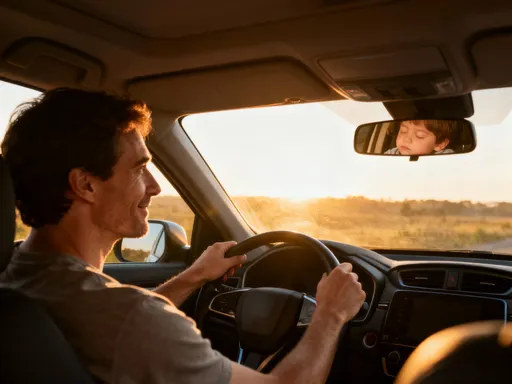
One evening, after a long day at work, I picked up my daughter from her after-school program. She fell asleep in the backseat before we even left the parking lot. I was exhausted, my mind still buzzing with emails and to-do lists. When the light turned green, I pressed the gas a little too hard—just enough to feel it. Later that night, I opened my driving app and saw a notification: “1 instance of harsh acceleration detected.” I stared at it. That’s when it hit me. I would never raise my voice at my sleeping child. I’d whisper, tiptoe, turn the lights low. But behind the wheel, alone, I was driving like I was in a hurry—even when there was nowhere urgent to be.
That moment changed how I thought about driving. I started imagining my daughter was always in the backseat. Not to scare myself, but to remind me of the energy I want to bring into our home. I want to be calm. Present. Gentle. So I began driving the way I speak to her—smooth, steady, patient. I eased into stops. I gave myself extra time. I let other drivers merge without frustration. And slowly, my scores improved. But it wasn’t about chasing a perfect rating. It was about aligning my actions with my values. I wasn’t just driving safer—I was becoming the kind of person I want to be, even when no one’s watching.
The tech didn’t teach me patience. I already knew what it felt like. But it gave me a mirror. It showed me where my intentions and my actions didn’t match. And once I saw that gap, I could close it. Now, when I feel myself tensing up—maybe because someone cuts me off or traffic slows down—I take a breath and ask myself, “Would I act this way if my child were here?” The answer is always no. And that’s enough to help me let go.
Saving More Than Just Fuel: The Unexpected Emotional Benefits
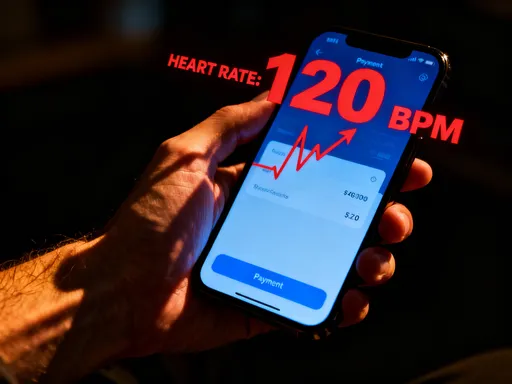
When I first started using the app, I’ll admit—I was mostly thinking about the insurance discount. Who doesn’t want to save a little money? But what I didn’t expect was how much calmer I’d feel behind the wheel. As I began focusing on smoother driving, I started noticing my emotional triggers. The red light that felt too long. The driver going 10 mph under the speed limit. The person who didn’t signal before changing lanes. These used to set me off. I’d grip the wheel, mutter under my breath, feel my heart rate spike.
But with the feedback from the app, I started to see those moments differently. Instead of reacting, I’d hear a soft tone—my phone reminding me to check in. “You’ve had three hard brakes today. Try to relax your shoulders.” It wasn’t a command. It was a nudge toward self-awareness. Over time, I began to catch myself before I reacted. I’d take a breath. I’d turn on a calming playlist. I’d remind myself: this traffic isn’t personal. No one is trying to ruin my day. And slowly, my stress levels dropped.
Driving became less of a battle and more of a transition. That 20-minute commute turned into a space where I could decompress after work, or mentally prepare before walking into the house. I started arriving not frazzled and drained, but centered and present. I wasn’t just saving fuel or earning points—I was saving my energy. And that, I’ve learned, is priceless. The road didn’t change. The other drivers didn’t suddenly become more polite. But I did. And that made all the difference.
Making It Work for My Whole Family’s Daily Rhythm
We’re a busy household—school runs, grocery trips, weekend errands, soccer practices, and the occasional spontaneous ice cream run. With so many people on the move, safety has always been a priority. But talking to my partner or my teenage son about “driving safely” used to feel like nagging. “Slow down.” “Watch the speed limit.” “Don’t text and drive.” It’s important, but it’s also easy to tune out when it sounds like a lecture.
Then I introduced a family-friendly driving app that lets us all track our habits—not to compare, but to support each other. We set simple, shared goals: 90% smooth braking, no speeding, minimal phone use while driving. No pressure. No punishments. Just encouragement. We even turned it into a light game: who could earn the most “calm drive” badges that week? My son, who’s learning to drive, loved it. Instead of feeling judged every time he made a mistake, he got instant, non-judgmental feedback. “Hard turn detected—try easing into curves next time.” It wasn’t a reprimand. It was guidance.
For my partner, it helped him notice habits he didn’t realize he had—like accelerating quickly after stop signs. For me, it reinforced the mindfulness I’d been practicing. But the real win was how it shifted the conversation. Instead of “You drive too fast,” it became “Hey, I noticed your score was high this week—great job!” It created a culture of support, not surveillance. And when my teen got behind the wheel, I didn’t have to rely on fear-based warnings. I could say, “The app will help you learn, just like it helped me.” That made all the difference in how he received it.
Practical Tips: How to Start Without Feeling Watched
If the idea of being “tracked” makes you uneasy, I get it. I felt the same way at first. The word “monitoring” can sound invasive, like Big Brother is watching. But here’s what I’ve learned: it’s not about being watched—it’s about being seen. There’s a difference. And you’re in control. You decide what to track, what to share, and how to use the feedback.
Start small. Download a trusted app from your insurance provider or use your car’s built-in system. Turn off the real-time alerts if they feel overwhelming—just check your weekly summary. Pick one habit to focus on. Maybe it’s smoother braking. Maybe it’s putting your phone in the glovebox. Don’t try to change everything at once. Progress, not perfection, is the goal.
And remember: this isn’t about judgment. It’s about kindness—to yourself. Think of it like a daily check-in. How am I feeling? How am I moving through the world? The data isn’t the point. The awareness is. Celebrate the small wins. Did you brake gently at three red lights? That’s a win. Did you resist checking your phone at a stoplight? Another win. Over time, those small wins add up to real change.
Also, privacy matters. Choose apps that are transparent about how they use your data. Look for ones that don’t sell your information or track your location beyond what’s needed for driving feedback. You should feel empowered, not exposed. And if it ever feels like too much, you can pause it. This is your tool. Use it your way.
Why This Matters Beyond the Dashboard
At first, I thought this was just about driving safer. And yes, that’s important. Fewer hard brakes mean less wear on the car. Smoother acceleration means better fuel efficiency. Lower risk of accidents means peace of mind. But what I didn’t expect was how deeply this practice would ripple into the rest of my life.
Driving has become a form of mindfulness practice. Every time I get behind the wheel, I’m not just operating a machine—I’m practicing presence. I’m learning to respond instead of react. To pause before I act. To notice my breath, my grip, my thoughts. And that calm doesn’t stay in the car. It follows me into the kitchen, the classroom, the living room. I’m less reactive with my kids. I’m more patient with my partner. I’m kinder to myself.
This tech didn’t make me a better driver by scolding me. It helped me become more aware—of my habits, my emotions, my choices. And in that awareness, I found freedom. The freedom to slow down. To choose calm. To show up as my best self, not just on the road, but in life. Because when you practice patience in the car, you carry it with you. When you learn to ease off the gas, you learn to ease off the pressure you put on yourself. And that? That’s not just about driving. That’s about living.