I can't stick to exercising" — how weekly video calls with my sister changed everything
Stuck in the same old routine, you tell yourself, “I’ll start tomorrow.” Sound familiar? You’re not alone. So many of us want to move more, feel stronger, live healthier—but motivation fades fast. What if the key wasn’t another app or workout plan, but something already in your life? For me, it was a simple weekly video call with my sister. What began as a catch-up turned into shared goals, laughter, accountability, and real change—without the burnout. We didn’t set out to build a fitness habit. We just wanted to stay close. But over time, those calls became the most consistent, joyful, and effective part of my wellness journey. And the best part? No fancy equipment, no complicated routines—just connection.
The Exercise Excuse We All Know
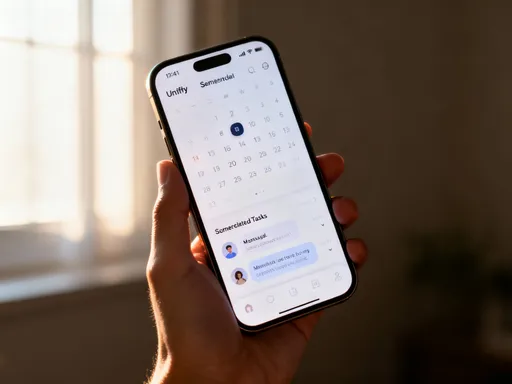
Let’s be honest—most of us aren’t lazy. We’re overwhelmed. You wake up with good intentions, but by the time the kids are off to school, the laundry is piling up, and dinner needs planning, the idea of squeezing in a workout feels like adding another chore to an already full list. I used to tell myself I didn’t have time. Or that I was too tired. Or that I’d feel silly trying to do squats in the living room while the dog barked at the mailman. I downloaded every fitness app under the sun—7-minute workouts, step counters, meditation timers. They sent cheerful notifications: “Great job today!” or “You’re on a 3-day streak!” But after a week, the streak broke. The guilt crept in. And I’d start all over again.
The truth is, most fitness advice treats exercise like a solo mission. “Find your why,” they say. “Be disciplined.” “Track your progress.” But for many of us—especially women in midlife managing households, careers, or caregiving—motivation isn’t the problem. Connection is. We’re not lacking willpower. We’re lacking someone to do it with. Someone who gets it. Someone who’ll laugh when you lose your balance during a lunge or cheer when you finally touch your toes after years of trying. That’s what was missing: not more data, but more heart.
I wasn’t failing because I didn’t care. I was failing because I was trying to do it alone. And then, one quiet Sunday afternoon, I had a video call with my sister, Maria. We weren’t talking about fitness at all. We were catching up—school drama, aging parents, that weird ache in my shoulder. But something small happened that shifted everything. I mentioned, almost in passing, that I’d tried a 10-minute stretch video the night before. “Oh, really?” she said. “Show me one of the moves.” So I did. Right there on screen. And she tried it too. It felt silly. We both giggled. But for the first time in years, moving my body didn’t feel like a chore. It felt like a conversation.
How a Simple "Hello" Became a Habit Trigger
That little moment—a shared stretch over video—was the spark. Maria and I had always talked on the phone, but our calls were random. Some weeks we’d chat daily. Others, it’d be two weeks without a word. But after that stretch, we made a tiny change: we scheduled a weekly video call every Sunday at 4 p.m. No big plan. Just “let’s check in.” But something shifted when we gave it a rhythm. That fixed time became an anchor in both of our weeks. And slowly, naturally, our chats started to include more than just life updates.
One week, I mentioned I’d walked around the block. “Nice!” she said. “I did five minutes of yoga this morning.” The next week, I showed her a seated twist that helped my back. She tried it right then. Then she shared a breathing exercise her therapist taught her. I copied her. It wasn’t formal. There was no playlist, no instructor, no pressure. But we were moving—because we saw each other doing it. And that made all the difference.
Psychologists call this “social mirroring”—the idea that we naturally imitate people we’re close to, especially when we see them doing something new. When Maria lifted her arms in a gentle stretch, I did too. Not because an app told me to, but because my sister was doing it. And that tiny act—seeing someone you love move their body—lowers the mental barrier to starting. You don’t have to be “ready.” You don’t have to feel motivated. You just have to show up and follow along. It’s not about perfection. It’s about presence. And over time, those small movements added up to real change.
From Talking to Doing—Together, Apart
The real turning point came one rainy Sunday. I was feeling sluggish. The week had been long, and the idea of even a five-minute stretch felt like too much. But I didn’t want to cancel the call. Maria answered, her hair in a messy bun, wearing an old sweatshirt. “I feel like a potato today,” she said, laughing. “Same,” I replied. Then she said, “What if we just… moved for five minutes? No rules. Just whatever feels good.” And just like that, we started.
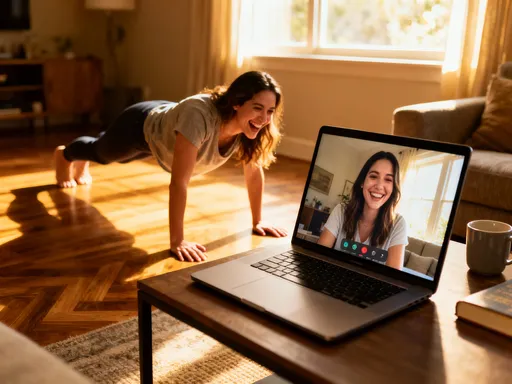
We didn’t do a formal workout. We just stood up, stretched, swayed, bent, and laughed. I wobbled during a side lunge. She lost her balance trying to touch her toes. We both burst out laughing. And in that moment, something beautiful happened: exercise stopped feeling like a performance. It wasn’t about how many reps I could do or how fast I could move. It was about showing up, being seen, and sharing the messiness of it all. The video call didn’t replace being together in person. But it created something just as powerful—shared presence.
Technology gets a bad rap sometimes. We hear about screen time, digital overload, and how we’re all too distracted. But in this case, the screen became a bridge. It turned loneliness into connection. It turned isolation into partnership. We weren’t just talking about being healthier—we were living it, together, in real time. And because we were doing it side by side—even if separated by 300 miles—the pressure disappeared. There was no judgment. No competition. Just two sisters, moving their bodies because it felt good to do it together.
The Power of Showing Up—Even When You Don’t Feel Like It
Here’s what surprised me most: I started showing up for myself because I didn’t want to let Maria down. That might sound strange, but it’s true. When exercise was just about me, skipping it felt like a minor failure—easy to brush off. But when it became part of our shared time, missing it felt like breaking a promise. Not a formal one, but an emotional one. I knew she’d be there. And I wanted to be there for her.
That shift—from self-discipline to relational commitment—changed everything. I didn’t need a fitness tracker to tell me I’d moved. I had Maria’s smile, her “You’ve got this!” when I groaned during a squat. I had her sharing her own struggles—the days she felt stiff, the times she wanted to stay in bed. And that made it real. It wasn’t about being strong or fit. It was about being human. And showing up, even when it was hard.
Over time, I noticed changes—not just in my body, but in my mindset. I had more energy. My back pain eased. I slept better. But more than that, I felt less alone. The weekly call became something I looked forward to, not just for the movement, but for the connection. And that made it sustainable. I wasn’t forcing myself to “stick with it.” I was choosing to show up—for my sister, and for myself.
Building a Circle Beyond Two
After a few months, Maria said something that surprised me. “You know what? I think Aunt Rosa would love this.” Our cousin Rosa, in her late 50s, had recently had knee surgery and was trying to rebuild her strength. We invited her to join one Sunday. She was hesitant at first—“I don’t want to slow you down”—but we assured her there was no pace, no pressure. Just movement and chat.
That first call with Rosa was beautiful. She moved slowly, carefully, but she was there. And we matched her pace. We celebrated small wins—“You held that pose for 10 seconds!”—and laughed when someone’s dog barked in the background. Then we invited an old friend, Linda, who’d been managing stress after a big life change. Soon, our little sister duo became a circle of four. We still called it “Sister Sundays,” even though only two of us were sisters. It was our thing.
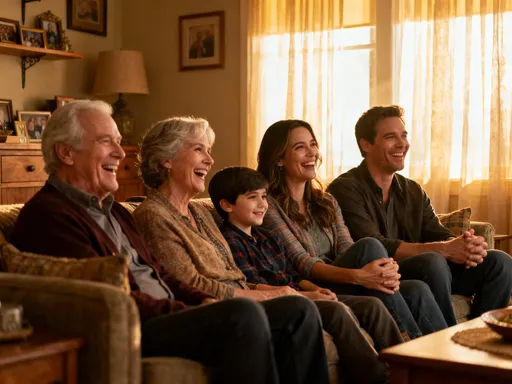
What emerged wasn’t a formal fitness group. There were no sign-ups, no fees, no branded leggings. Just five women, connected by video, moving together once a week. Some days, we’d do gentle stretches. Other days, we’d try a short dance video or a breathing exercise. The content didn’t matter. What mattered was that we showed up. And over time, something powerful happened: our individual goals—more energy, less pain, better sleep—became shared victories. When Rosa walked without a cane for the first time in months, we all cried. When Linda said she hadn’t felt this grounded in years, we cheered. The tech didn’t create the change. It simply made space for it.
Why This Works When Apps Don’t
Don’t get me wrong—I’ve tried the apps. And some of them are great. They track steps, count calories, remind you to drink water. But here’s what they can’t do: they can’t see your face when you’re tired. They can’t laugh with you when you lose your balance. They can’t say, “I’m proud of you,” in a voice that makes you believe it.
Technology is only as powerful as the human connection it supports. A fitness app can tell me I walked 5,000 steps. But Maria saying, “I’m so glad you got outside today” hits different. It’s not just data. It’s care. It’s presence. And that’s what keeps us going.
Video calls provide something apps can’t: real-time feedback, emotional support, and natural accountability. When I see Maria breathing deeply during a stretch, I match her rhythm. When Rosa shares how her knee feels better, it inspires me to keep going. When Linda says, “This is the one thing I don’t skip,” it reminds me I’m not alone. The screen becomes a mirror—not just for our bodies, but for our hearts. And that’s where real change begins.
Making It Your Own—Start Small, Stay Connected
If you’ve ever looked at a workout plan and thought, “I could never stick with this,” I get it. But what if you didn’t have to? What if the secret wasn’t in the routine, but in the relationship? You don’t need a gym. You don’t need a perfect plan. You just need one person you trust—one person who’ll show up with you.
Start small. Think of someone in your life—sister, cousin, friend, neighbor—who might want to move more but feels stuck. Send them a message: “Hey, what if we tried a 10-minute stretch together over video one day?” Pick a day. Pick a time. Keep it simple. You don’t need fancy clothes or a quiet room. Just show up. Move a little. Talk a lot. Laugh when it feels awkward—because it will.
The goal isn’t to become an athlete. It’s to feel more like yourself. To reconnect—with your body, with someone you care about, with the joy of moving just because it feels good. You don’t have to do the same moves. You don’t have to go fast. You don’t even have to do it every week. But when you do, let it be about more than exercise. Let it be about showing up. Let it be about saying, “I’m here. I see you. And I’m moving with you.”
That’s how change happens—not in silence, not in isolation, but in connection. Not because we’re perfect, but because we’re together. And sometimes, the most powerful tech isn’t the one in your pocket. It’s the one that lets you see the face of someone who believes in you—every single week.