It’s Not Just About Paying: How Parking Apps Gave Me Back My Peace of Mind
Life moves fast, and the little things—like circling the block for parking—used to drain me daily. I’d waste time, stress over coins, and often start my day frustrated. Then I tried parking payment apps, not for the tech, but for the calm. They didn’t just change how I pay—they reshaped my routine, reduced my stress, and gave me back small but meaningful moments of control. This is how a simple app became part of my personal growth journey.
The Daily Struggle That No One Talks About
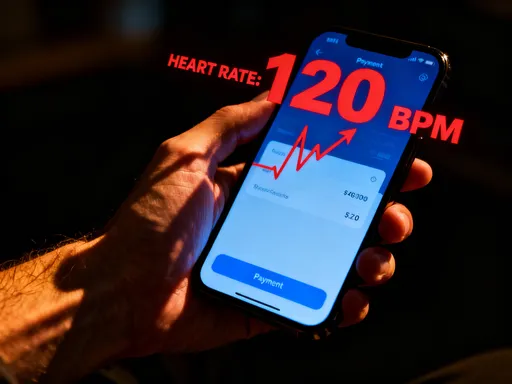
Remember that morning when you were already running late, your coffee was half spilled, and your kids were arguing in the backseat? And then, just when you thought you could finally breathe, you couldn’t find a parking spot. I do. Too many times. I used to circle the same block three, sometimes four times, eyes darting between the sidewalk and the clock on my dashboard. My heart would race, my jaw would clench, and by the time I finally parked—often blocks away—I’d already burned through my patience for the day.
It wasn’t just about the time. It was the mental load. The constant calculations: how long can I stay? Is this a two-hour zone? Did I bring enough change? And then, the dread of returning to a parking ticket fluttering under my windshield wiper like a judgment note. I once missed my daughter’s school reading hour because I was stuck in traffic and then couldn’t find parking nearby. I walked in late, flustered, and saw the disappointment in her eyes. That moment stayed with me. It wasn’t her fault. It wasn’t the school’s fault. It was the system—and my helplessness within it.
We don’t talk enough about how these tiny daily frustrations chip away at our emotional well-being. They’re not emergencies, but they’re erosive. Over time, they wear down our resilience, make us snap at the people we love, and steal the joy from small victories. Parking wasn’t just a chore—it was a recurring stress test I never signed up for. And I know I’m not alone. So many women I’ve spoken to—moms, professionals, caregivers—tell the same story. We carry so much already: meals, schedules, emotions, responsibilities. Why should parking be another weight on our shoulders?
Discovering a Tool That Felt Like Relief
The first time I saw someone pay for parking from their phone, I thought it was a fluke. I was sitting in my car, watching a woman in the next spot tap something on her screen, smile, and walk away—no coins, no ticket, no second-guessing. I asked her what she was doing. “Oh,” she said, “I just paid with an app. I can even add more time if I need to—without coming back.” I stared at her like she’d just revealed a life hack from the future.
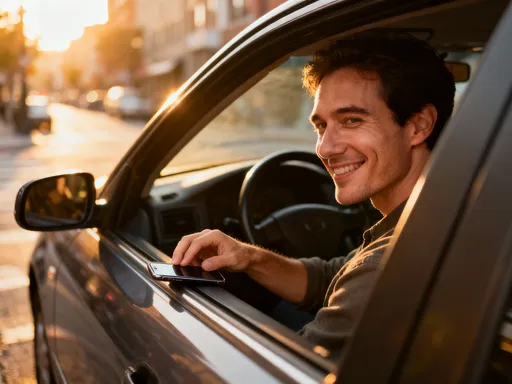
Skeptical but curious, I downloaded the parking app that night. I didn’t expect much. I thought it would be clunky, confusing, or just another thing to manage. But the first time I used it—standing in line at the grocery store, realizing my parking was about to expire—I opened the app, tapped a button, and added 30 more minutes. Just like that. No panic. No sprinting through the parking lot. I remember standing there, basket in hand, feeling something I hadn’t felt in years: calm.
It wasn’t just convenience. It was relief. It was the feeling of being in control again. For the first time, I wasn’t at the mercy of a meter, a coin shortage, or a forgetful moment. The app didn’t fix everything, but it removed one unpredictable variable from my day. And that made space—mental space—for everything else. I started to trust myself more. I wasn’t just paying for parking. I was reclaiming my time, my energy, and my peace of mind.
How a Simple App Began to Shape My Habits
What surprised me most wasn’t the convenience—it was how quickly my habits began to shift. When parking stopped being a source of stress, I found I could think more clearly about the rest of my day. I started planning my errands differently. Instead of rushing from one place to the next, I began grouping tasks by location. Why drive across town twice when I could do three things in one neighborhood? The app made it easier to stay longer, move slower, and make better choices.
I also started arriving earlier. Not because I had to, but because I wanted to. I used to cut it close, banking on finding a spot at the last minute. Now, I give myself a buffer—not because parking is harder, but because I enjoy not rushing. I’ll park, take a deep breath, and walk into the school, the office, or the doctor’s office feeling centered, not scattered. And here’s something small but meaningful: I’ve started walking more. Because I’m not worried about returning to feed the meter, I’ll park a little farther away and enjoy the extra steps. It’s not a fitness goal—it’s a side effect of feeling safe in the process.
The app also helped me become more consistent with reminders and planning. I set alerts for when my parking is about to end, and I’ve even shared the app with my older daughter so she can monitor it when she’s out with friends. It’s not about micromanaging—it’s about creating systems that support us, not stress us. And when a tool removes friction, we naturally move toward better routines. It’s not willpower. It’s design.
Regaining Time—and What I Do With It Now
I read somewhere that the average urban driver spends 17 hours a year searching for parking. Seventeen hours. That’s more than two full workdays. Even if I only reclaimed 10 minutes a day—on average—that’s over 60 hours a year. I did the math, and it shocked me. That’s 12 extra evenings I could spend reading, 30 more workouts, or 15 additional bedtime stories with my youngest.
And that’s exactly what I’ve started doing. Those extra minutes? I use them. I sit in the car for two more minutes and finish a chapter of my book. I call my mom just to say hi. I close my eyes and breathe before walking into the house, so I’m present when my family greets me. I don’t take those moments for granted. I used to come home drained, snapping at small things—socks on the floor, dishes in the sink—because I was already emotionally spent. Now, I come home with a little more energy, a little more patience, and a lot more gratitude.
One morning, I parked near the park and had 15 extra minutes before my daughter’s class started. Instead of circling the block, I walked with her, hand in hand, talking about her dream of becoming a marine biologist. We saw a squirrel, laughed at its antics, and she told me a joke only six-year-olds find hilarious. That moment wouldn’t have happened if I’d been stressed about parking. That’s the real value—not just time saved, but moments gained. The app didn’t give me back minutes. It gave me back presence.
A Calmer Mind, A Lighter Load
Stress doesn’t always come from big events. Sometimes, it’s the accumulation of small things: the traffic jam, the forgotten permission slip, the low-battery phone, the expired meter. These micro-stresses pile up, and over time, they affect our mental health. I didn’t realize how much parking contributed to my anxiety until it was no longer a problem.
With the app, I stopped asking “What if I’m late?” or “What if I get a ticket?” Those questions used to run in the back of my mind like a loop. Now, they’re gone. I can pay, monitor, and extend my parking from anywhere. If I’m in a meeting and realize my time is up, I tap my phone. If I’m helping my son with homework and remember I need to move the car, I check the app and decide if I can stay longer. The freedom to make choices—without panic—is powerful.
Over time, this small change contributed to a calmer mind. I noticed I was more focused at work, more patient with my kids, and more present in conversations. I wasn’t just less stressed about parking—I was less reactive overall. I had more mental bandwidth for the things that truly mattered. It’s like removing a constant background noise. When the static fades, you hear yourself more clearly. And when you hear yourself, you can grow.
Sharing the Win With My Family
This wasn’t a change I kept to myself. I showed my husband how to use the app, and within a week, he was hooked. No more frantic calls asking, “Did you feed the meter?” No more tickets left on the windshield like little red flags of failure. We even set up a shared account so we could monitor each other’s parking when needed. It sounds small, but it reduced a real point of tension in our relationship.
I taught my older daughter, too. She’s 16 and just got her license. When she goes out with friends, I don’t worry about her scrambling for change or getting a ticket because she lost track of time. She can extend her parking from her phone, and I can check in if needed—without nagging. It’s not about control. It’s about support. And she appreciates it. “It’s like having a safety net,” she said. That made me smile.
We’ve turned this into a family system. It’s not just about parking—it’s about reducing daily friction so we can focus on connection. We talk more now. We argue less about logistics. We’ve created space for what really matters: time together, laughter, quiet moments. Technology often gets blamed for pulling families apart. But when used with intention, it can actually bring us closer. This app didn’t replace human connection—it protected it.
More Than an App—A Step Toward Intentional Living
Looking back, I realize this wasn’t just about parking. It was about choosing tools that serve my life, not complicate it. I didn’t adopt this app because I love technology. I adopted it because I love my life—and I wanted to protect its quality. The best tools aren’t the flashiest. They’re the ones that work quietly in the background, removing obstacles so we can move forward with more ease.
This small change sparked a bigger mindset shift. I started asking myself: what else in my daily routine causes unnecessary stress? Could there be a simpler way? I looked at my calendar, my shopping, my communication habits—and made small adjustments. Each one, like the parking app, was about reclaiming time, energy, and peace. And each one brought me a little closer to the person I want to be: present, patient, intentional.
Technology doesn’t have to be overwhelming. It doesn’t have to feel cold or impersonal. When it aligns with our values—when it supports our roles as mothers, partners, professionals, and individuals—it becomes a quiet ally. The parking app didn’t transform my life overnight. But it gave me back something priceless: the ability to breathe, to choose, to be there—fully—for the people and moments that matter most. And isn’t that what we all want? To feel in control, not because we’re doing more, but because we’ve simplified enough to truly live?